The selection of materials dictates not only the aesthetic and tactile experience of high-end furniture but also its longevity, performance, and ultimate value. Beyond surface-level appeal, discerning buyers and manufacturers prioritize materials that offer inherent durability, sophisticated finishes, and a distinct character that improves with age or use. Understanding the specific attributes of each material—from its structural integrity to its maintenance requirements—is crucial for making informed decisions that align with both design intent and practical application. Understanding the specific attributes of each material is crucial for making informed decisions that align with both design intent and practical application, offering a complete overview of luxury furniture.
Factors Defining High-End Furniture Materials
When evaluating materials for high-end furniture, several core criteria consistently emerge as indicators of quality and commercial viability. These factors move beyond mere visual appeal, delving into the intrinsic properties that contribute to a piece's lasting value and performance. These factors move beyond mere visual appeal, delving into the intrinsic properties that contribute to a piece's lasting value and performance, providing a framework for comparing luxury furniture options.
- Durability and Longevity: High-end materials are inherently robust, resisting wear, tear, and structural degradation over extended periods. This translates to furniture that maintains its integrity and appearance for decades, often becoming heirloom pieces.
- Aesthetic Depth and Uniqueness: The finest materials possess a natural beauty that cannot be easily replicated. This includes distinctive grain patterns in wood, unique veining in stone, or the subtle variations in natural leather. These characteristics ensure each piece has a unique identity.
- Workability and Craftsmanship Compatibility: Superior materials allow skilled artisans to execute intricate designs and precise joinery. Their structural consistency and responsiveness to various finishing techniques enable the creation of complex forms and refined details.
- Tactile Experience: The sensory experience of touching and using furniture is paramount. High-end materials offer distinct textures, temperatures, and comfort levels that contribute to a luxurious feel, enhancing user interaction.
- Maintenance Profile: While some high-end materials require specific care regimens, their inherent quality often means they clean well, resist common damage (within their specific limitations), and can be restored or reconditioned to maintain their original splendor.
- Sustainability and Ethical Sourcing: Increasingly, the provenance of materials is a critical factor. High-end brands often prioritize responsibly harvested wood, ethically processed leathers, and materials with transparent supply chains, adding to their perceived and actual value.
- Aging Characteristics: Many premium materials develop a desirable patina over time, gaining character and depth rather than deteriorating. This "aging gracefully" is a hallmark of true quality, distinguishing them from materials that simply wear out.
1. Solid Walnut
Solid walnut stands as a benchmark for luxury woodworking due to its rich, deep brown hues, often featuring purplish undertones, and its distinctive, often swirling grain patterns. It is a dense, stable hardwood that machines well, allowing for precise joinery and intricate carving. Its natural color requires minimal staining, often enhanced with clear finishes that highlight its inherent beauty. The material’s resistance to warping and shrinking, once properly dried, contributes to the structural integrity and longevity of furniture pieces.
Best for: Dining tables, case goods, executive desks, and statement chairs where visual warmth and structural permanence are paramount.
Pros:
- Exceptional stability and durability, resisting dents and scratches effectively.
- Unique, highly figured grain patterns and a naturally rich color that deepens with age.
- Excellent workability for intricate designs and fine finishing.
Cons:
- Higher cost compared to many other hardwoods due to slower growth rates and demand.
- Can be heavy, impacting portability of larger pieces.
- Susceptible to fading if exposed to prolonged direct sunlight without UV protection.
Verdict: Walnut offers a timeless elegance and robust performance, making it a preferred choice for heirloom-quality furniture that prioritizes both sophisticated aesthetics and enduring structural integrity.
2. Full-Grain Aniline Leather
Full-grain aniline leather represents the highest quality leather available for upholstery, retaining the natural surface of the hide with all its inherent markings and imperfections. It is dyed using soluble dyes that penetrate the entire hide without coating the surface with pigments or polymers, allowing the natural grain, pores, and unique characteristics to remain visible. This process results in an exceptionally soft, supple, and breathable material that develops a rich patina over time, enhancing its character and appeal.
Best for: Sofas, armchairs, and lounge seating where a luxurious feel, natural aesthetic, and comfortable seating experience are primary considerations.
Pros:
- Extremely soft, supple, and breathable, conforming to the body over time.
- Develops a unique, desirable patina that enhances its appearance with age.
- Retains the natural strength and durability of the hide, resisting tearing.
Cons:
- Highly susceptible to staining, fading from sunlight, and scratching due to its unprotected surface.
- Requires more diligent care and conditioning to maintain its condition.
- Significantly more expensive than other leather types due to its quality and processing.
Verdict: Aniline leather provides an unparalleled luxurious tactile experience and visual depth, suited for pieces where natural beauty and a "lived-in" elegance are valued above pristine, uniform appearance.
3. Carrara Marble
Carrara marble, quarried in Italy, is celebrated for its pristine white or light grey background intersected by soft, feathered grey veining. This natural stone offers a cool, smooth surface that is inherently elegant and visually striking. Its unique patterns ensure that no two pieces are identical, providing a bespoke element to each furniture item. Marble's density contributes to its durability, though its porous nature necessitates careful sealing and maintenance to prevent staining and etching.
Best for: Tabletops, console surfaces, vanity tops, and decorative accents where a classic, sophisticated aesthetic and a cool, smooth surface are desired.
Pros:
- Distinctive, elegant veining patterns that offer unique aesthetic appeal.
- Provides a naturally cool surface, ideal for certain applications.
- Highly durable and resistant to heat once properly sealed.
Cons:
- Porous nature makes it susceptible to staining from acidic liquids, oils, and dyes.
- Can etch or dull if exposed to acids, requiring immediate cleanup and regular sealing.
- Heavy and brittle, making fabrication and installation challenging and prone to breakage if mishandled.
Verdict: Carrara marble delivers an undeniable sense of luxury and timeless beauty, best utilized in applications where its visual impact and cool surface are prioritized, with an understanding of its specific care requirements.
4. Teak Wood
Teak is a dense, close-grained hardwood renowned for its exceptional durability, natural resistance to moisture, pests, and rot, owing to its high oil content. This makes it particularly suitable for outdoor furniture, but its rich golden-brown color and smooth texture also make it a premium choice for indoor pieces. Teak weathers to a distinguished silvery-grey patina if left untreated outdoors, or maintains its warm tone indoors with occasional oiling. Its strength allows for robust construction while its workability permits fine detailing.
Best for: Outdoor patio sets, garden benches, and indoor pieces like side tables or decorative accents where water resistance and long-term durability are critical.
Pros:
- Outstanding natural resistance to water, rot, insects, and extreme weather conditions.
- Highly durable and stable, with minimal expansion or contraction.
- Aesthetically pleasing golden-brown color that can be maintained or allowed to patina naturally.
Cons:
- Significantly higher cost due to slow growth and ethical sourcing considerations.
- Can be difficult to glue due to its high oil content, requiring specialized techniques.
- Requires periodic oiling to maintain its original color when used indoors; outdoor pieces will grey without treatment.
Verdict: Teak is the definitive choice for furniture requiring unparalleled resilience and a luxurious natural appearance, especially in environments exposed to moisture or fluctuating temperatures.
5. Stainless Steel (304/316 Grade)
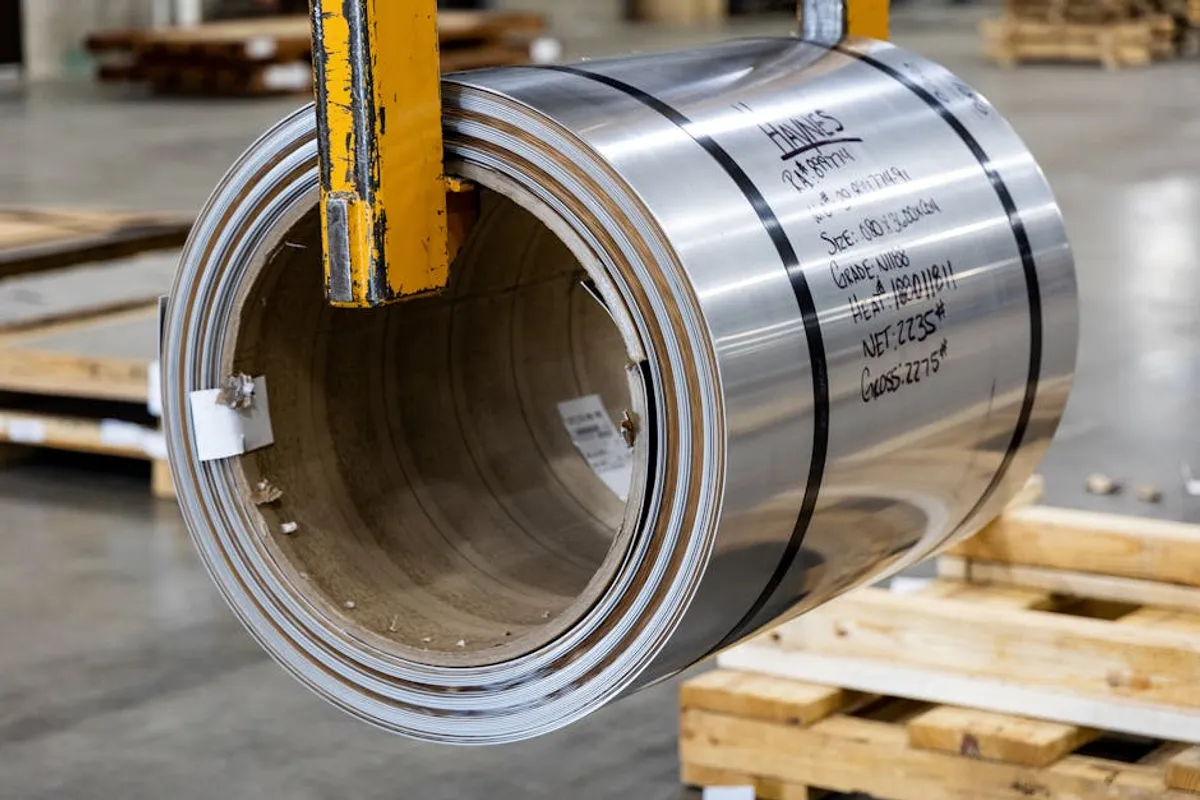
High-grade stainless steel, specifically 304 (for general use) or 316 (marine grade for extreme corrosion resistance), is valued in high-end furniture for its sleek, modern aesthetic and exceptional strength-to-weight ratio. It offers superior resistance to corrosion, rust, and tarnishing, maintaining its polished or brushed finish with minimal maintenance. Its non-porous surface is hygienic and easy to clean, making it suitable for both indoor and outdoor applications. The material allows for slender profiles and minimalist designs, contributing to a contemporary luxury feel.
Best for: Modernist chairs, table bases, shelving units, and outdoor furniture where durability, a clean aesthetic, and corrosion resistance are key.
Pros:
- Exceptional corrosion resistance and durability, especially 316 grade in harsh environments.
- Sleek, contemporary appearance with various finish options (polished, brushed, matte).
- Hygienic, non-porous, and easy to clean, requiring minimal maintenance.
Cons:
- Can be prone to fingerprints and smudges, requiring frequent wiping for a pristine look.
- Heavy and difficult to fabricate, often requiring specialized welding and finishing techniques.
- Can be cold to the touch and may not suit warmer, traditional interior schemes.
Verdict: Stainless steel provides a robust, contemporary foundation for furniture, offering unmatched durability and a sophisticated, minimalist aesthetic that complements modern design principles.
6. Silk Velvet
Silk velvet is a luxurious textile characterized by its dense, soft pile and exceptional sheen, which creates a rich, iridescent quality as light catches its surface. Made from natural silk fibers, it offers an unparalleled soft hand-feel and a deep, saturated color absorption that synthetic velvets cannot fully replicate. The intricate weaving process and the inherent properties of silk contribute to its high cost and delicate nature, making it a choice for statement pieces in less trafficked areas.
Best for: Accent chairs, decorative pillows, headboards, and formal upholstery where opulence, a soft touch, and visual drama are desired.
Pros:
- Exquisite softness and luxurious tactile experience.
- Rich, vibrant color saturation and a distinctive, lustrous sheen.
- Adds a sophisticated, opulent aesthetic to any interior space.
Cons:
- Highly delicate and susceptible to crushing, marking, and wear on the pile.
- Difficult to clean and prone to water spotting, requiring professional care.
- Significantly more expensive than other upholstery fabrics.
Verdict: Silk velvet is a statement material, ideal for creating focal points with its luxurious drape and shimmering surface, best reserved for pieces that receive gentle use to preserve its delicate beauty.
7. Bronze
Bronze, an alloy primarily of copper and tin, is valued in high-end furniture for its warm, rich color and its ability to be cast into intricate forms. It develops a distinctive patina over time, ranging from deep browns to verdigris greens, which adds character and depth to a piece. Bronze is exceptionally strong and corrosion-resistant, making it a durable choice for structural elements, hardware, and decorative accents. Its historical use in art and sculpture lends an air of timeless craftsmanship to modern furniture applications.
Best for: Sculptural table bases, hardware (handles, pulls), decorative inlays, and accent pieces that require both strength and artistic detail.
Pros:
- Develops a beautiful, natural patina over time, enhancing its aesthetic appeal.
- Extremely strong, durable, and corrosion-resistant, suitable for structural use.
- Highly malleable when heated, allowing for intricate casting and detailed designs.
Cons:
- Very heavy, impacting the overall weight and portability of furniture.
- High cost due to material expense and specialized casting/finishing processes.
- Can react with certain chemicals or acids, affecting its patina if not properly maintained.
Verdict: Bronze offers a unique blend of strength, artistic potential, and an evolving aesthetic, making it a premium choice for bespoke furniture where heritage and sculptural quality are paramount.
8. White Oak
White oak is a robust and versatile hardwood, characterized by its distinctive open grain pattern and light to medium-brown color, which can range from a pale blonde to a deeper tan. It is known for its exceptional strength, durability, and resistance to moisture and decay due to its closed cellular structure, making it a popular choice for furniture, flooring, and even boat building. Its ability to take stains evenly allows for a wide range of finishes, while its natural beauty shines through with clear coats.
Best for: Dining tables, chairs, cabinetry, and flooring, particularly in designs that emphasize natural textures, durability, and a clean, contemporary aesthetic.
Pros:
- High strength and durability, resisting dents and wear effectively.
- Excellent resistance to moisture and rot, making it suitable for various environments.
- Distinctive grain pattern and a versatile color that complements many design styles.
Cons:
- Can be heavy and dense, making it challenging to work with for some intricate details.
- Slightly more expensive than red oak, though generally more affordable than walnut or mahogany.
- Its open grain can sometimes require grain filling for a perfectly smooth, glass-like finish.
Verdict: White oak provides a strong, reliable, and aesthetically pleasing foundation for high-end furniture, offering a balance of durability, natural beauty, and design versatility.
9. Tempered Glass
Tempered glass is a safety glass processed by controlled thermal or chemical treatments to increase its strength compared to normal glass. This process makes it four to five times stronger than annealed glass and, when broken, it shatters into small, granular chunks instead of jagged shards, significantly reducing the risk of injury. In high-end furniture, tempered glass is valued for its transparency, allowing light to pass through and visually expanding spaces, while offering a sleek, modern, and easy-to-clean surface.
Best for: Tabletops, shelving, cabinet doors, and display cases where transparency, durability, and safety are critical design elements.
Pros:
- Significantly stronger and more resistant to impact than standard glass.
- Breaks into small, blunt pieces, enhancing safety.
- Offers transparency, allowing light to pass through and creating a sense of openness.
- Easy to clean and maintain, resisting stains and scratches from normal use.
Cons:
- Heavy, requiring robust support structures.
- Edges can be susceptible to chipping or damage if struck directly.
- Can show fingerprints and smudges easily, requiring frequent cleaning for a pristine look.
Verdict: Tempered glass is an excellent choice for modern furniture designs requiring visual lightness, durability, and a low-maintenance, transparent surface, provided its weight and edge vulnerability are accounted for.
10. Travertine
Travertine is a form of limestone characterized by its fibrous, concentric appearance and natural porosity, often featuring small, irregular pits and voids. Its color palette ranges from creamy whites and tans to richer browns and reds, offering a warm, earthy aesthetic. When used for high-end furniture, travertine is typically filled and polished to create a smooth, durable surface that highlights its unique geological patterns. Its natural variation ensures each piece is distinct, embodying a subtle, organic luxury.
Best for: Coffee tables, side tables, and console tables, particularly in designs that embrace natural textures and a rustic yet refined aesthetic.
Pros:
- Unique, earthy aesthetic with natural variations in color and texture.
- Durable and robust when properly sealed and maintained.
- Offers a warm, inviting feel that complements natural material palettes.
Cons:
- Porous nature requires diligent sealing to prevent staining and etching.
- Can be heavy and brittle, similar to marble, requiring careful handling.
- Susceptible to surface scratches if not protected, especially in high-traffic areas.
Verdict: Travertine provides a distinct, organic elegance to furniture, ideal for spaces seeking a connection to natural elements and a material that offers both visual warmth and substantial presence.
11. Cashmere
Cashmere is a fine, soft fiber obtained from cashmere goats, prized for its exceptional softness, warmth, and luxurious feel. As an upholstery material, cashmere fabric offers a sophisticated texture and a subtle sheen, providing an unparalleled level of comfort and elegance. Its natural crimp gives it a lightweight yet insulating quality, making it a premium choice for seating where comfort and a refined tactile experience are paramount. However, its delicate nature and high cost position it for specific, high-end applications.
Best for: Accent seating, throws, and decorative upholstery in low-traffic areas, where ultimate softness and luxury are the primary design goals.
Pros:
- Extraordinary softness and luxurious hand-feel.
- Excellent warmth-to-weight ratio, providing comfort without bulk.
- Elegant appearance with a subtle sheen and rich color absorption.
Cons:
- Extremely expensive due to limited supply and labor-intensive processing.
- Highly delicate and prone to pilling, stretching, and wear, especially with frequent use.
- Requires specialized dry cleaning and careful maintenance to preserve its integrity.
Verdict: Cashmere is the epitome of luxurious comfort in textiles, best suited for creating sumptuously soft, visually rich upholstery on pieces that are handled gently and sparingly.
12. Mahogany
Mahogany is a classic choice for high-end furniture, revered for its fine, even grain, reddish-brown color that deepens with age, and natural luster. It is a medium-density hardwood known for its exceptional stability, resistance to swelling, shrinking, and warping, making it ideal for precision joinery and intricate details. Mahogany polishes to a magnificent sheen, taking stains and finishes beautifully. Its historical association with antique furniture and luxury crafts reinforces its status as a premium material.
Best for: Traditional and antique reproduction furniture, formal dining sets, executive office furniture, and intricately carved pieces.
Pros:
- Exceptional stability and resistance to movement from humidity changes.
- Fine, even grain and rich, reddish-brown color that develops a beautiful patina.
- Excellent workability for carving and achieving a high polish.
Cons:
- Higher cost due to demand and slower growth rates; ethical sourcing is a consideration.
- Can be prone to scratching compared to harder woods like oak or walnut.
- Color can darken significantly over time, which may not suit all aesthetic preferences.
Verdict: Mahogany offers a timeless, sophisticated aesthetic and superior stability, making it a foundational material for furniture that aims for traditional elegance and enduring craftsmanship.
Selecting the Right Material for Your High-End Piece
Choosing the optimal material for high-end furniture involves a strategic assessment of several interwoven factors beyond initial aesthetic appeal. Consider the intended function and environment of the piece: a dining table demands a surface resistant to spills and heat, while a lounge chair prioritizes comfort and tactile quality. Evaluate the expected level of use; a high-traffic area necessitates more durable, low-maintenance materials than a decorative accent piece. Budget constraints are always a factor, but remember that the initial investment in a superior material often translates to greater longevity and reduced replacement costs over time. Finally, align the material choice with the overarching design language and the desired emotional impact—whether it's the cool, minimalist precision of stainless steel or the warm, organic embrace of full-grain leather.
Frequently Asked Questions About High-End Furniture Materials
Q: How do I ensure the ethical sourcing of high-end wood or leather?
A: Look for certifications such as FSC (Forest Stewardship Council) for wood, which indicates responsible forest management. For leather, inquire about tanneries that adhere to environmental and ethical standards, often indicated by industry-specific certifications or transparent supply chain reporting from reputable manufacturers.
Q: Are natural stone surfaces like marble and travertine practical for everyday use?
A: Yes, with proper care. Both marble and travertine are durable but porous. They require regular sealing (typically every 6-12 months) to prevent staining and etching. Immediate cleanup of spills, especially acidic liquids, is crucial. For high-traffic surfaces, consider a more forgiving material or use coasters and placemats.
Q: What is the best way to maintain high-end leather upholstery?
A: Regular dusting with a soft cloth and occasional vacuuming with a brush attachment are essential. For aniline leather, use a specialized leather conditioner a few times a year to replenish natural oils and prevent drying and cracking. Avoid direct sunlight and harsh cleaning chemicals. Spot clean spills immediately with a clean, damp cloth and blot dry.
Q: How does the "patina" of a material affect its value?
A: Patina refers to the natural aging process of certain materials, such as bronze, leather, or some hardwoods, where they develop a unique sheen, color depth, or surface character over time. For high-end pieces, a desirable patina is often seen as a mark of authenticity and quality, enhancing the material's aesthetic appeal and contributing to its value as an heirloom.