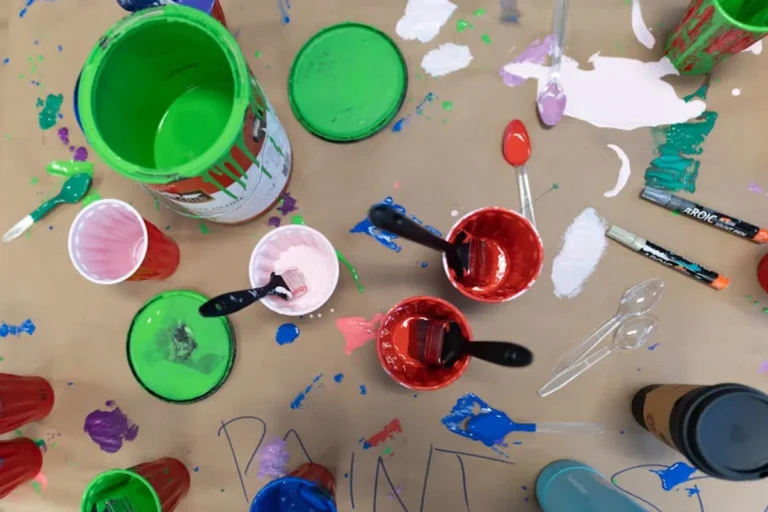
Transforming kitchen cabinets with a fresh coat of paint offers a cost-effective alternative to full replacement, significantly impacting a kitchen's aesthetic and perceived value. However, the unique demands of a kitchen environment—constant use, exposure to grease, moisture, and frequent cleaning—require a paint specifically engineered for durability and resilience. Selecting the right product is not merely about color; it involves understanding paint formulations, finish characteristics, and application nuances to ensure a lasting, professional-grade result that withstands daily wear.
Key Considerations for Cabinet Paint Selection
Choosing the optimal paint for kitchen cabinets involves evaluating several critical factors beyond just color. The long-term performance and appearance of your refreshed cabinets hinge on these technical specifications and application properties.
- Paint Type and Formulation: The primary distinction lies between oil-based (alkyd), water-based (acrylic/latex), and hybrid formulations. Oil-based paints historically offered superior hardness and smoother finishes but are prone to yellowing over time, have higher VOCs, and require mineral spirits for cleanup. Modern water-based acrylics have improved significantly in durability and offer easier cleanup and lower VOCs. Hybrid paints combine the best attributes, offering oil-like hardness and flow with water-based convenience. For cabinets, look for formulations with urethane or enamel modifiers for enhanced durability.
- Durability and Hardness: Kitchen cabinets endure constant contact, impacts, and cleaning. The paint must resist chipping, scratching, and blocking (where painted surfaces stick together). Enamel paints, regardless of base, typically cure to a harder, more protective shell. Urethane additives further enhance this resistance.
- Finish and Sheen: The sheen level affects both aesthetics and practicality. Higher sheens (semi-gloss, gloss) are generally more durable, easier to clean, and reflect more light, which can highlight imperfections. Lower sheens (satin, eggshell) offer a softer, more contemporary look but may be slightly less resistant to scrubbing. A satin or semi-gloss is typically recommended for cabinets, balancing durability with a desirable appearance.
- Leveling and Flow: A paint's ability to self-level is crucial for achieving a smooth, brush-stroke-free finish. High-quality cabinet paints are formulated to flow out evenly during drying, minimizing visible application marks.
- Cure Time vs. Dry Time: Paint can feel dry to the touch within hours, but its full hardness and durability (cure time) can take weeks. For kitchen cabinets, understanding the full cure time is essential to avoid premature damage. During this period, cabinets should be handled with extra care.
- Adhesion and Prep Requirements: Proper adhesion is paramount for longevity. Some paints are formulated for superior adhesion over previously painted or finished surfaces, potentially reducing the need for extensive sanding. However, degreasing and light sanding are almost always recommended for optimal results.
- VOC Content: Volatile Organic Compounds (VOCs) contribute to paint odor and can impact indoor air quality. Low-VOC or zero-VOC formulations are increasingly available and preferable for indoor projects, especially in kitchens.
1. Benjamin Moore Advance
Benjamin Moore Advance is a premium waterborne alkyd paint known for its exceptional flow and leveling properties, mimicking the smooth, hard finish of traditional oil-based enamels without the associated drawbacks. It offers a durable, furniture-like finish that resists chipping and scuffing, making it a top contender for high-traffic areas like kitchen cabinets. Its unique formula allows for easy water cleanup while delivering a robust, long-lasting surface.
Best For: Homeowners and professionals seeking a factory-smooth, durable finish with the convenience of water-based cleanup, willing to invest in a longer cure time for superior results.
Pros:
- Outstanding flow and leveling capabilities virtually eliminate brush and roller marks.
- Cures to a very hard, furniture-grade finish that resists impact and abrasion.
- Excellent hide and coverage, often requiring fewer coats.
- Low VOCs after tinting, contributing to better indoor air quality.
- Water cleanup simplifies the painting process.
Cons:
- Extended dry and cure times; cabinets may need to be left undisturbed for several weeks to reach full hardness.
- Higher price point compared to many other cabinet paints.
- Can be sensitive to application conditions, requiring careful attention to temperature and humidity.
Verdict: Advance is a top-tier choice for those prioritizing a near-flawless, highly durable finish. Its performance justifies the longer cure time and higher cost, delivering a professional look that withstands the rigors of a kitchen.
2. Sherwin-Williams Emerald Urethane Trim Enamel
Sherwin-Williams Emerald Urethane Trim Enamel is a water-based acrylic-urethane paint designed for superior durability and a smooth finish on trim, doors, and cabinets. Its urethane modification provides excellent block resistance and hardness, making it a practical choice for cabinet doors and drawers that frequently open and close. The paint offers good adhesion and is formulated for easy application, providing a uniform, lasting appearance.
Best For: Projects requiring a durable, scuff-resistant finish with good block resistance and quicker dry times than traditional alkyds, suitable for both DIYers and professionals.
Pros:
- Urethane fortified for enhanced durability, chip, and scratch resistance.
- Excellent block resistance, preventing painted surfaces from sticking together.
- Good flow and leveling, helping to minimize brush marks.
- Faster dry-to-recoat times compared to traditional alkyds, speeding up project completion.
- Low VOCs and easy water cleanup.
Cons:
- Can be more prone to showing brush strokes if not applied carefully with a high-quality applicator.
- Requires thorough surface preparation for optimal adhesion.
- Premium price point.
Verdict: A highly reliable option that balances durability, ease of application, and a refined finish. It’s a strong contender for busy kitchens where quick project turnaround and lasting performance are key.
3. Behr Urethane Alkyd Enamel
Behr Urethane Alkyd Enamel is a hybrid formulation that combines the hardness and smooth finish of an oil-based paint with the low VOCs and easy cleanup of a water-based product. This paint is engineered for high-traffic surfaces like cabinets, trim, and doors, offering a durable, stain-resistant finish. Its alkyd properties contribute to excellent flow and leveling, helping users achieve a professional-looking result with reduced brush marks.
Best For: DIYers and budget-conscious professionals seeking the durability and smooth finish of an alkyd with the convenience of water cleanup, available at major home improvement retailers.
Pros:
- Hybrid formula delivers oil-like durability and a hard, chip-resistant finish.
- Excellent flow and leveling properties minimize visible brush strokes.
- Low VOCs and water cleanup for a more pleasant painting experience.
- Good adhesion to properly prepared surfaces.
- More accessible price point than some premium brands.
Cons:
- Requires careful attention to application technique to achieve the smoothest finish.
- Full cure time, while faster than traditional alkyds, still requires patience for maximum durability.
- Color matching may be limited to Behr's palette or custom tints at Home Depot.
Verdict: A robust, accessible hybrid option that provides significant durability and a desirable finish for kitchen cabinets, particularly for those seeking a balance of performance and value.
4. Valspar Cabinet & Furniture Paint
Valspar Cabinet & Furniture Paint is an acrylic-alkyd hybrid formulated specifically for interior surfaces like cabinets, furniture, and trim. It emphasizes self-leveling properties and a hard, scuff-resistant finish, aiming to provide a factory-like look with relatively straightforward application. The paint is designed to withstand daily wear and tear, offering good washability and resistance to household cleaners.
Best For: Homeowners looking for a dedicated cabinet paint that offers a smooth finish and enhanced durability, available at Lowe's and other retailers.
Pros:
- Hybrid formula offers a balance of hardness and flexibility for cabinet surfaces.
- Good self-leveling characteristics help reduce brush and roller marks.
- Resistant to scuffs, scratches, and household cleaners, ideal for kitchen environments.
- Low odor and easy water cleanup.
- Available in a wide range of colors and can be custom tinted.
Cons:
- May require multiple thin coats for optimal coverage and finish, extending project time.
- Cure time, though reasonable, still necessitates careful handling until fully hardened.
- Less forgiving of poor surface preparation compared to some premium options.
Verdict: A solid, mid-range choice for cabinet painting that delivers on its promise of durability and a smooth finish, particularly for those who prefer the convenience of widely available products.
5. PPG Break-Through!
PPG Break-Through! is a water-borne acrylic-urethane paint known for its exceptional adhesion, hardness, and fast dry times. Originally developed for commercial and industrial applications, its robust formula makes it highly suitable for residential projects requiring extreme durability, such as kitchen cabinets. It adheres well to challenging surfaces, often with minimal preparation, and offers excellent block resistance and resistance to chemicals and cleaning agents.
Best For: Projects demanding extreme durability, quick turnaround, and superior adhesion to various surfaces, including previously finished or difficult-to-sand cabinets.
Pros:
- Outstanding adhesion to a wide range of substrates, including laminate and previously finished surfaces.
- Extremely fast dry-to-recoat times, allowing for multiple coats in a single day.
- Exceptional hardness and block resistance once cured, preventing sticking and damage.
- Highly resistant to chemicals, abrasion, and household cleaners.
- Low VOCs and easy water cleanup.
Cons:
- Fast dry time can make it challenging to maintain a wet edge, potentially leading to lap marks if not applied quickly and skillfully.
- Higher price point due to its advanced formulation.
- Less forgiving for inexperienced painters due to its rapid drying.
Verdict: An industrial-strength solution for cabinets that prioritizes speed and unparalleled durability. It's an excellent choice for experienced painters or those needing a truly hard-wearing finish.
6. INSL-X Cabinet Coat (by Benjamin Moore)
INSL-X Cabinet Coat is a urethane acrylic enamel specifically formulated for painting cabinets, furniture, and trim. It is designed to provide an ultra-smooth, factory-like finish with excellent adhesion and durability. Cabinet Coat offers good flow and leveling, helping to minimize brush and roller marks, and cures to a hard, chip-resistant surface that can withstand the daily use of kitchen cabinets. It's often considered a slightly more budget-friendly alternative to Benjamin Moore Advance while still delivering high performance.
Best For: DIYers and professionals seeking a dedicated cabinet paint that offers excellent durability and a smooth finish, with less demanding application than some premium options.
Pros:
- Urethane acrylic formula provides a hard, durable finish resistant to chips and scratches.
- Excellent adhesion to properly prepared surfaces, including old finishes.
- Good flow and leveling properties contribute to a smooth, professional appearance.
- Faster dry and cure times compared to Benjamin Moore Advance.
- Easy water cleanup and low odor.
Cons:
- Can be prone to showing brush marks if not applied carefully or with high-quality tools.
- Requires thorough surface preparation for optimal results.
- While durable, it may not reach the absolute hardness of some industrial-grade coatings.
Verdict: A highly effective and popular choice for cabinet painting, offering a strong balance of durability, ease of use, and a refined finish, making it a reliable option for many kitchen projects.
7. Farrow & Ball Estate Eggshell
Farrow & Ball Estate Eggshell is a water-based paint known for its distinctive low-sheen finish and deep, rich color saturation. While not explicitly marketed as a cabinet-specific paint, its durable formulation and elegant aesthetic make it a choice for those prioritizing a sophisticated, artisanal look in their kitchen. It cures to a washable, scuff-resistant finish suitable for moderate-traffic areas.
Best For: Homeowners prioritizing a unique, matte-to-eggshell finish and deep, nuanced colors, willing to invest in a premium product for aesthetic appeal.
Pros:
- Offers a signature low-sheen finish that provides a sophisticated, historic aesthetic.
- Exceptional depth of color due to high pigment content.
- Water-based formula with low VOCs, environmentally friendly.
- Durable enough for light to moderate use, washable surface.
Cons:
- Significantly higher price point than most other cabinet paints.
- Lower sheen may be slightly less durable and harder to clean than semi-gloss options in a high-traffic kitchen.
- Requires meticulous surface preparation to achieve the desired flawless finish.
- Limited color palette compared to standard tintable paints.
Verdict: An excellent choice for those seeking a specific, high-end aesthetic and who are comfortable with the premium cost and slightly different durability profile compared to conventional cabinet enamels.
8. Rust-Oleum Specialty Cabinet Transformations Kit
The Rust-Oleum Specialty Cabinet Transformations Kit offers a multi-step system designed to simplify the process of updating cabinets without extensive stripping or sanding. It includes a deglosser, bond coat, decorative glaze (optional), and a protective topcoat. The system aims to provide a durable, professional-looking finish with reduced preparation time, making it appealing for DIYers.
Best For: DIYers seeking a comprehensive, all-in-one solution to refresh cabinets with minimal sanding or stripping, particularly those intimidated by traditional painting processes.
Pros:
- Integrated system minimizes the need for heavy sanding or stripping.
- Includes all necessary components for a complete cabinet refresh.
- Bond coat is formulated for strong adhesion to existing finishes.
- Protective topcoat enhances durability and resistance to wear.
- Step-by-step instructions simplify the process for novice painters.
Cons:
- Limited color options compared to custom tintable paints.
- The multi-step process, while simplified, can still be time-consuming.
- Durability, while good for a kit, may not match the absolute hardness of premium urethane enamels.
- The final finish can sometimes appear thicker or less refined than a skillfully applied liquid paint.
Verdict: A practical solution for those prioritizing convenience and reduced prep work, offering a respectable finish for a DIY cabinet upgrade, though high-end durability expectations should be tempered.
9. General Finishes Milk Paint
General Finishes Milk Paint is a water-based acrylic paint that provides excellent adhesion and a smooth, low-sheen finish. While often associated with furniture, its robust formulation makes it a viable option for kitchen cabinets, especially when paired with a high-quality topcoat. It is known for its ease of application, fast dry times, and ability to adhere to various surfaces without extensive sanding.
Best For: Enthusiasts of a hand-painted, slightly softer aesthetic, who are comfortable applying a separate topcoat for maximum kitchen-grade durability.
Pros:
- Exceptional adhesion to most surfaces, often requiring minimal prep.
- Easy to apply with brushes or sprayers, with good flow.
- Fast dry times allow for quick recoating.
- Water-based, low VOCs, and easy cleanup.
- Can be distressed for a vintage look or left smooth for a modern finish.
Cons:
- Requires a separate topcoat (e.g., General Finishes High Performance Topcoat) for adequate durability and protection in a kitchen environment.
- The base paint alone does not offer sufficient hardness for high-traffic cabinet use.
- Color selection is curated, not custom tintable to unlimited shades.
Verdict: An excellent base paint for cabinets if the user is committed to applying a compatible, durable topcoat. It excels in application ease and aesthetic versatility, but the two-step process for full protection is