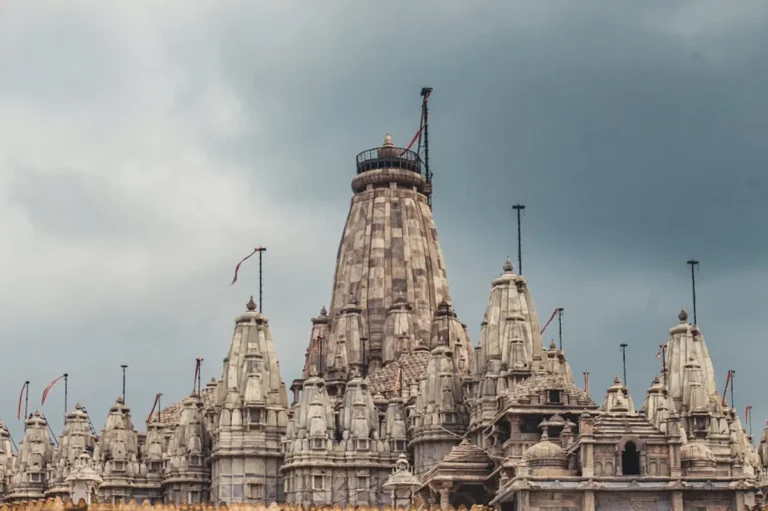

Selecting the optimal destinations for a trip to India requires a clear understanding of traveler intent, logistical considerations, and desired experiences. The subcontinent presents a diverse array of options, from ancient spiritual centers to modern metropolises, high-altitude deserts to tropical beaches. This guide outlines top destinations, evaluating each based on its unique value proposition, potential benefits, and practical considerations for commercial and leisure travelers alike. The objective is to provide a structured framework for decision-making, enabling an informed choice that aligns with specific travel objectives.
Factors to Consider When Choosing Your Indian Destination
Before committing to specific locations, evaluate several key factors to ensure the chosen destinations align with your travel objectives and operational constraints. Understanding these parameters will refine your itinerary and optimize the travel experience.
- Traveler Intent and Experience Type: Determine the primary purpose of the trip. Is it for cultural immersion, spiritual exploration, adventure sports, beach relaxation, business, or historical discovery? Each region specializes in different offerings. For instance, Rajasthan excels in heritage tourism, while Goa is primarily a beach and nightlife destination.
- Logistics and Accessibility: Assess the ease of access to and between destinations. Major cities like Delhi, Mumbai, and Bengaluru serve as primary international gateways with extensive domestic flight and rail networks. Remote areas, such as Ladakh or the Northeast, often require more complex travel arrangements and longer transit times. Consider the availability of reliable transportation, accommodation, and local infrastructure.
- Budget Allocation: India offers options across all budget ranges. Luxury heritage hotels and bespoke tours are available, as are cost-effective guesthouses and public transport. High-demand destinations or specific travel seasons can influence pricing for flights, accommodation, and activities. Plan according to your financial parameters.
- Time of Year and Climate: India experiences distinct climatic zones and seasons. The winter months (October to March) are generally ideal for most of the country, offering pleasant weather. However, this is also peak tourist season, leading to higher prices and larger crowds. Summer (April to June) can be intensely hot in the plains, while the monsoon season (July to September) brings heavy rainfall, particularly to coastal and central regions, though it can be ideal for mountain retreats.
- Duration of Stay: The number of days allocated for a trip significantly impacts the feasibility of visiting multiple destinations. A shorter trip might necessitate focusing on a single region or a well-connected "Golden Triangle" circuit. Longer durations allow for deeper exploration of diverse regions and more relaxed pacing.
1. Jaipur, Rajasthan
Jaipur, known as the "Pink City," serves as a cornerstone of Rajasthan's cultural tourism, distinguished by its historical palaces, formidable forts, and vibrant bazaars. The city's architectural heritage, including the Hawa Mahal, Amber Fort, and City Palace, reflects Rajput grandeur and intricate craftsmanship. Its strategic location within the Golden Triangle (Delhi-Agra-Jaipur) makes it a frequent inclusion for first-time visitors to India seeking a concentrated cultural experience.
Best for: First-time visitors to India, cultural immersion, history enthusiasts, luxury travelers seeking heritage stays.
Pros:
- Extensive historical sites with well-preserved architecture and significant cultural narratives.
- Vibrant local markets offering textiles, jewelry, and authentic handicrafts.
- Established tourism infrastructure, including heritage hotels, guided tours, and diverse dining options.
- Relatively easy accessibility via air and rail from major Indian cities, integrating well into broader itineraries.
Cons:
- Can be heavily crowded, particularly during peak tourist season (October-March), impacting the visitor experience at key attractions.
- Traffic congestion is common within the city center, potentially increasing travel times between sites.
- Potential for aggressive hawkers and guides around tourist areas, requiring firm negotiation and awareness.
Verdict: Jaipur offers a quintessential North Indian historical experience, ideal for travelers prioritizing grand architecture and a rich cultural narrative, provided they are prepared for the bustling urban environment and manage expectations regarding crowds.
2. Goa
Goa, India's smallest state, is renowned for its extensive coastline, pristine beaches, and distinct Indo-Portuguese heritage. It presents a stark contrast to the historical cities of the north, offering a relaxed, vibrant atmosphere centered on sun, sand, and sea. The state is divided into North Goa, known for its lively beaches, markets, and nightlife, and South Goa, which offers quieter, more secluded resorts and a tranquil environment. This dual character caters to a broad spectrum of travelers seeking leisure and entertainment.
Best for: Beach holidays, relaxation, nightlife, water sports enthusiasts, diverse culinary experiences, short breaks.
Pros:
- Numerous beaches catering to different preferences, from bustling Baga to serene Palolem.
- Vibrant nightlife and party scene, particularly in North Goa.
- Rich colonial history evident in architecture, churches, and cuisine.
- Wide range of accommodation options, from budget hostels to luxury resorts.
- Excellent seafood and fusion cuisine reflecting its Portuguese influence.
Cons:
- Can become excessively crowded and commercialized during peak season (December-January).
- Monsoon season (June-September) limits beach activities and some establishments may close.
- Traffic can be heavy on main roads, especially in North Goa.
- Environmental concerns regarding waste management and over-tourism in certain areas.
Verdict: Goa remains a premier destination for those seeking a relaxed beach vacation with a European flair, offering diverse entertainment options. Travelers should consider off-peak seasons or South Goa for a more tranquil experience.
3. Kerala Backwaters, Kerala
The Kerala Backwaters represent a unique network of interconnected canals, lakes, and lagoons fringed by lush greenery, forming a distinctive aquatic ecosystem. This region is best experienced via traditional houseboats (kettuvallams) or smaller canoes, offering a serene escape from urban environments. The cultural fabric is deeply intertwined with the water, showcasing traditional village life, coir production, and paddy fields. It provides a tranquil, immersive natural experience distinct from other Indian destinations.
Best for: Tranquil escapes, nature lovers, honeymooners, cultural immersion into rural life, unique houseboat experiences.
Pros:
- Unique opportunity for houseboat cruises, offering a floating accommodation experience.
- Serene natural beauty with palm-fringed canals and verdant landscapes.
- Authentic cultural insights into local village life and traditional livelihoods.
- Opportunities for birdwatching and observing diverse flora and fauna.
- Relatively mild climate compared to northern plains, especially during winter.
Cons:
- Limited activities beyond cruising and village visits, which might not suit adventure seekers.
- Mosquitoes can be prevalent, especially during dusk and dawn.
- Houseboat quality can vary; careful selection is necessary to ensure comfort and hygiene.
- Accessibility to some remote areas can be challenging without pre-arranged transport.
Verdict: The Kerala Backwaters offer an unparalleled tranquil retreat, ideal for those seeking a slow-paced, nature-centric experience. Its unique charm lies in its calm waters and glimpses into traditional life, making it a strong complement to more active itineraries.
4. Varanasi, Uttar Pradesh
Varanasi, one of the world's oldest continuously inhabited cities, stands as India's spiritual heartland on the banks of the sacred River Ganges. It is a paramount pilgrimage site for Hindus, renowned for its ghats (steps leading to the river), where daily rituals of life and death unfold publicly. The city offers an intense, unfiltered cultural experience, characterized by ancient temples, narrow labyrinthine alleys, and the profound spiritual energy that permeates its atmosphere. Its historical significance and spiritual gravity provide a deeply immersive encounter with Indian religious practices.
Best for: Spiritual seekers, cultural anthropologists, photographers, those seeking an authentic and intense Indian experience.
Pros:
- Profound spiritual and cultural immersion, witnessing ancient rituals along the Ganges.
- Unique photographic opportunities, capturing vibrant street scenes and religious ceremonies.
- Historical significance as one of the oldest cities in the world.
- Access to numerous ancient temples and spiritual sites.
- Authentic local cuisine and traditional crafts in the old city.
Cons:
- Can be overwhelming for some travelers due to crowds, noise, and sanitation challenges.
- The intense spiritual practices, including cremation ceremonies, may not be suitable for all sensitivities.
- Infrastructure can be basic, particularly in the older parts of the city.
- Traffic congestion and narrow alleys make navigation challenging.
Verdict: Varanasi is an essential destination for those seeking a deep, unfiltered spiritual and cultural engagement with India. It demands an open mind and tolerance for chaos but rewards with an unforgettable, transformative experience.
5. Leh-Ladakh, Jammu & Kashmir
Leh-Ladakh, nestled in the Himalayas, is a high-altitude desert region characterized by dramatic landscapes, ancient Buddhist monasteries, and a unique Indo-Tibetan culture. Its rugged terrain, stark mountains, and serene valleys offer unparalleled opportunities for adventure tourism, including trekking, motorbiking, and river rafting. The region's remote nature and stunning vistas provide a distinct contrast to the tropical and plains regions of India, appealing to those seeking solitude and breathtaking natural beauty.
Best for: Adventure travelers, nature photographers, trekkers, motorbiking enthusiasts, spiritual seekers interested in Tibetan Buddhism.
Pros:
- Spectacular, unique high-altitude desert landscapes and panoramic mountain views.
- Rich Tibetan Buddhist culture, evident in numerous ancient monasteries (gompas) and festivals.
- Opportunities for diverse adventure activities, including trekking, rafting, and high-altitude motorbiking.
- Relatively untouched natural environment and pristine air quality.
- A sense of remote tranquility and escape from urban life.
Cons:
- Requires acclimatization to high altitude, which can cause altitude sickness.
- Limited accessibility during winter months (October-May) due to heavy snowfall closing mountain passes.
- Infrastructure and medical facilities are less developed than in major cities.
- Travel within the region can be slow due to challenging road conditions.
Verdict: Leh-Ladakh is an extraordinary destination for intrepid travelers and those seeking profound natural beauty and cultural immersion in a high-altitude environment. Careful planning for acclimatization and seasonal travel is critical for a rewarding experience.
6. Agra, Uttar Pradesh
Agra, situated on the banks of the Yamuna River, is globally recognized as the home of the Taj Mahal, a UNESCO World Heritage Site and one of the New Seven Wonders of the World. While the Taj Mahal is undoubtedly its primary draw, Agra also hosts other significant Mughal-era monuments, including the Agra Fort and Fatehpur Sikri. Its historical importance as a former capital of the Mughal Empire provides a concentrated experience of grand Islamic architecture and imperial history, making it a vital stop for historical tourism.
Best for: First-time visitors to India, history enthusiasts, architecture admirers, those specifically seeking to witness the Taj Mahal.
Pros:
- Home to the iconic Taj Mahal, an unparalleled architectural marvel and symbol of love.
- Proximity to other significant Mughal sites like Agra Fort and Fatehpur Sikri, offering a comprehensive historical overview.
- Well-connected by road and rail to Delhi, making it an easy day trip or overnight stay from the capital.
- Established tourism infrastructure catering to international visitors.
Cons:
- Beyond the main monuments, the city itself offers limited additional attractions or cultural experiences.
- Can be extremely crowded, especially at the Taj Mahal, requiring early morning visits for a better experience.
- Traffic and pollution are significant concerns within the city.
- Potential for aggressive touts and guides around major tourist sites.
Verdict: Agra is an indispensable destination for its world-class historical monuments, particularly the Taj Mahal. While the city itself may lack broader appeal, its architectural wonders justify the visit, especially as part of a Golden Triangle itinerary.
7. Mumbai, Maharashtra
Mumbai, the financial capital of India and the heart of Bollywood, is a bustling metropolis characterized by its dynamic energy, diverse population, and colonial-era architecture juxtaposed with modern skyscrapers. It offers a vibrant urban experience, from high-end dining and shopping to historical landmarks like the Gateway of India and Elephanta Caves. The city's relentless pace and cultural melting pot provide a stark contrast to more traditional or serene Indian destinations, appealing to those seeking an energetic, cosmopolitan environment.
Best for: Business travelers, urban explorers, Bollywood enthusiasts, foodies, nightlife seekers, art and culture aficionados.
Pros:
- Vibrant cultural scene, including Bollywood studios, art galleries, and live performances.
- Diverse culinary landscape, from street food to fine dining.
- Significant historical landmarks and impressive colonial architecture.
- Robust public transport network and international airport connectivity.
- Opportunities for business networking and commercial ventures.
Cons:
- High population density leads to significant crowds and traffic congestion.
- Higher cost of living and accommodation compared to many other Indian cities.
- Pollution can be a concern, particularly during certain seasons.
- Poverty and stark wealth disparities are visibly evident, which can be confronting.
Verdict: Mumbai is a dynamic, fast-paced city offering a comprehensive urban experience, ideal for travelers interested in modern Indian culture, commerce, and entertainment. Its energy is infectious, but visitors should be prepared for the intensity of a major global city.
8. Delhi
Delhi, the capital territory of India, is a sprawling metropolis that seamlessly blends ancient history with contemporary urban life. Divided into Old Delhi, with its Mughal-era monuments and bustling bazaars, and New Delhi, featuring colonial architecture and modern infrastructure, it offers a layered historical and cultural experience. As a major political and cultural hub, Delhi serves as a critical entry point for international travelers and a rich repository of Indian heritage, making it a comprehensive introduction to the country.
Best for: History buffs, cultural explorers, food enthusiasts, first-time visitors to India, those combining business with leisure.
Pros:
- Extensive collection of UNESCO World Heritage Sites, including Humayun's Tomb and Qutub Minar.
- Diverse culinary scene, from traditional street food to upscale international restaurants.
- Excellent connectivity via Indira Gandhi International Airport and a robust metro system.
- Vibrant arts and crafts markets, offering diverse shopping opportunities.
- Acts as a central hub for exploring North India, including the Golden Triangle.
Cons:
- Significant air pollution, particularly during winter months, which can affect health and visibility.
- Traffic congestion is chronic, leading to long travel times within the city.
- Can be overwhelming due to its size, population density, and chaotic environment.
- Security concerns, particularly for solo female travelers, require heightened awareness.
Verdict: Delhi is an indispensable destination for its historical depth and cultural vibrancy, offering a comprehensive introduction to India. While its urban challenges are notable, its rich heritage and logistical convenience make it a compelling starting point for many itineraries.
9. Rishikesh, Uttarakhand
Rishikesh, nestled in the foothills of the Himalayas along the Ganges River, is globally recognized as the "Yoga Capital of the World" and a significant pilgrimage site. It offers a unique blend of spiritual tranquility, adventure sports, and natural beauty. The town's ashrams attract practitioners of yoga and meditation, while its river offers opportunities for white-water rafting and trekking. Rishikesh provides a refreshing alternative for travelers seeking wellness, spirituality, or outdoor activities away from the bustling plains.
Best for: Yoga and meditation practitioners, spiritual seekers, adventure sports enthusiasts (rafting, trekking), nature lovers.
Pros:
- World-renowned center for yoga and meditation, with numerous ashrams and retreats.
- Opportunities for white-water rafting, trekking, and other adventure sports.
- Serene natural environment along the Ganges, surrounded by hills.
- Vegetarian and alcohol-free zone, contributing to a peaceful atmosphere.
- Relatively easy accessibility from Delhi by road and rail.
Cons:
- Can be crowded during peak pilgrimage and yoga festival seasons.
- Limited nightlife and entertainment options for those not seeking spiritual or adventure activities.
- Infrastructure, particularly roads, can be challenging in hilly areas.
- Some areas may experience commercialization due to increasing tourism.
Verdict: Rishikesh is an excellent choice for travelers prioritizing wellness, spiritual growth, or active outdoor pursuits in a scenic, peaceful setting. Its distinct offerings make it a valuable addition to an itinerary for those seeking a break from traditional sightseeing.
10. Darjeeling, West Bengal
Darjeeling, often referred to as the "Queen of the Hills," is a charming hill station in West Bengal, famous for its sprawling tea plantations, panoramic views of the Himalayas, and the UNESCO-listed Darjeeling Himalayan Railway (Toy Train). Its colonial-era architecture, cool climate, and unique blend of Nepali, Tibetan, and Bengali cultures create a distinctive atmosphere. Darjeeling offers a refreshing escape from the heat of the plains and a picturesque setting for relaxation and scenic exploration.
Best for: Nature lovers, tea enthusiasts, honeymooners, those seeking a cool climate escape, scenic railway experiences.
Pros:
- Stunning views of Mount Kanchenjunga and the Himalayan range.
- Iconic Darjeeling Himalayan Railway (Toy Train) offers a unique heritage travel experience.
- World-renowned tea plantations offering tours and tastings.
- Pleasant, cool climate, especially during summer months.
- Charming colonial architecture and vibrant local markets.
Cons:
- Can be prone to landslides during the monsoon season (June-September), affecting travel.
- Overcrowding during peak tourist seasons (April-May, October-November).
- Road connectivity can be challenging and time-consuming from major cities.
- Fog and cloud cover can obscure mountain views, particularly during certain periods.
Verdict: Darjeeling provides a picturesque and tranquil hill station experience, perfect for those seeking scenic beauty, a cool climate, and a unique cultural blend. Its tea heritage and railway add significant value, making it a distinct option for relaxation and exploration.
11. Hampi, Karnataka
Hampi, a UNESCO World Heritage Site in Karnataka, is an ancient village built amidst the captivating ruins of Vijayanagara, the former capital of the Vijayanagara Empire. Its landscape is characterized by colossal boulders, intricate temples, and majestic palaces, all set against a backdrop of surreal rock formations and the Tungabhadra River. Hampi offers a profound journey into India's medieval history and architectural prowess, providing a unique blend of historical exploration and natural beauty distinct from other regions.
Best for: History and archaeology enthusiasts, photographers, cultural explorers, budget travelers, those seeking a unique historical landscape.
Pros:
- Extensive and well-preserved ruins of a once-grand empire, offering deep historical insights.
- Unique landscape with massive boulders, creating a surreal and photogenic environment.
- Opportunities for rock climbing, bouldering, and cycling amidst the ruins.
- Relatively affordable accommodation and dining options.
- Peaceful and less commercialized compared to more mainstream destinations.
Cons:
- Can be extremely hot during summer months (April-June), making exploration challenging.
- Limited direct connectivity; often requires a combination of train/bus and local transport.
- Infrastructure for high-end tourism is less developed.
- The sheer scale of the