
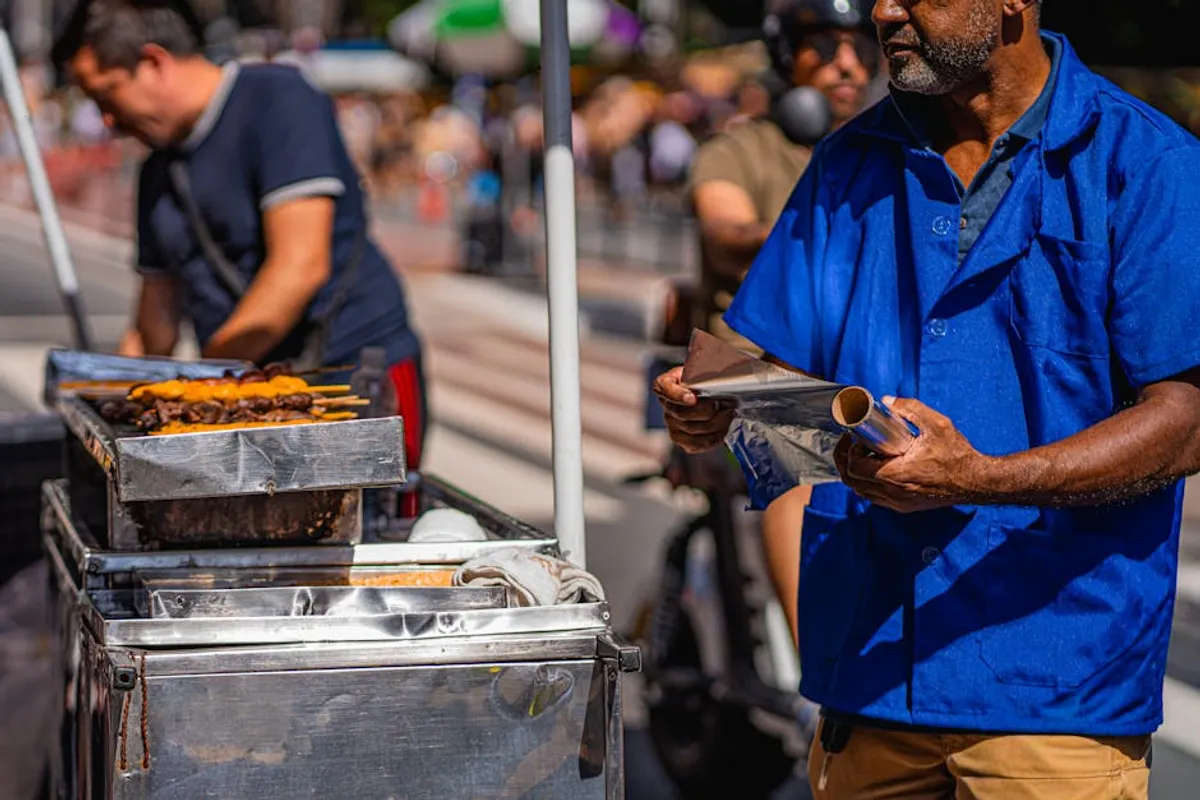
Brazilian cuisine offers a compelling subject for content creators, travel marketers, and cultural enthusiasts seeking to understand diverse culinary landscapes. Its vast regional variations, influenced by Indigenous, African, and European traditions, present a rich tapestry of flavors and dishes. For publishers and agencies targeting audiences interested in food, travel, or cultural insights, exploring Brazilian gastronomy provides a unique opportunity to deliver deep, engaging content that resonates beyond superficial descriptions.
Popular Dishes: A Culinary Overview
The array of popular Brazilian dishes reflects the country's immense geographical and cultural diversity. Each region contributes distinct ingredients and preparation methods, resulting in a national cuisine that is both unified by staples and varied by local tradition.
- Feijoada Completa: Often considered the national dish, feijoada is a hearty stew of black beans with various cuts of beef and pork, including salted beef, smoked sausage, and bacon. Traditionally served on Wednesdays and Saturdays, it comes with rice, collard greens, farofa (toasted cassava flour), and orange slices. Its complexity and communal nature make it a cultural cornerstone, representing Brazilian hospitality and resourcefulness.
- Churrasco: More than just barbecue, churrasco is a significant social ritual, particularly prominent in the Southern regions. It involves various cuts of meat, often picanha (top sirloin cap), grilled on skewers over an open flame. The emphasis is on the quality of the meat and simple seasoning, typically coarse salt, allowing the natural flavors to dominate. Rodízio-style churrascarias, where servers continuously bring different cuts to the table, are a popular dining experience.
- Moqueca: This fish and seafood stew exemplifies the coastal influences. There are two main versions: Moqueca Baiana, from Bahia, which features dendê oil (palm oil), coconut milk, peppers, and cilantro, giving it a rich, orange hue and distinct flavor; and Moqueca Capixaba, from Espírito Santo, which uses olive oil, annatto, and no dendê, resulting in a lighter, more delicate taste. Both are slow-cooked in clay pots, preserving the seafood's tenderness.
- Pão de Queijo: A ubiquitous snack across Brazil, pão de queijo (cheese bread) is made from cassava flour, cheese, and eggs, giving it a chewy texture and a crispy crust. Naturally gluten-free, these small, warm rolls are a staple at breakfast, coffee breaks, and as an anytime treat. Their simplicity and addictive quality make them a consistent favorite.
- Acarajé: Originating from Bahia, acarajé is a street food deeply rooted in Afro-Brazilian culture. It consists of peeled and mashed black-eyed peas, deep-fried in dendê oil, then split open and filled with vatapá (a creamy shrimp paste), caruru (okra stew), and dried shrimp. Its preparation and consumption are part of a vibrant culinary tradition, offering a taste of historical and spiritual influences.
Distinct Flavors and Core Ingredients
Brazilian cuisine is characterized by a bold interplay of sweet, savory, and occasionally spicy notes, often balanced by fresh, tropical elements. The flavor profile is heavily influenced by indigenous ingredients, African cooking techniques, and European culinary traditions.
Key flavor contributors include:
- Cassava (Manioc/Aipim): A foundational starch, used in various forms: flour (farofa), tapioca, and as a boiled or fried side dish. It provides a neutral base that absorbs other flavors effectively.
- Dendê Oil: A bright orange palm oil, crucial in Afro-Brazilian dishes from Bahia. It imparts a distinct, slightly nutty, and earthy flavor, along with its vibrant color.
- Malagueta Pepper: While Brazilian cuisine is not generally known for extreme spiciness, malagueta peppers provide a fiery kick in many sauces and marinades, particularly in Northeastern dishes.
- Tropical Fruits: Brazil's vast biodiversity means an abundance of unique fruits like açaí, cupuaçu, caju (cashew fruit), and passion fruit. These are used in juices, desserts, and savory dishes, contributing tartness, sweetness, and unique aromas.
- Coconut Milk: A staple in coastal regions, especially in dishes like moqueca and various desserts, lending a creamy texture and subtle sweetness.
The combination of these elements creates a culinary experience that is both comforting and exotic, reflecting the country's natural bounty and cultural melting pot.
Pro Tip for Culinary Travelers: When exploring local markets (mercados) or street food stalls in Brazil, observe where locals are eating. High turnover typically indicates fresh ingredients and popular, well-prepared food. For street vendors, look for clean preparation areas and vendors who handle money and food separately. This is particularly relevant for dishes like Acarajé or Pastel, ensuring a safe and authentic experience.
Navigating Brazil's Culinary Landscape: Travel Tips
For those planning to experience Brazilian food firsthand, strategic planning enhances the culinary journey. Understanding local dining customs and regional specialties is key to unlocking the best gastronomic experiences.
Dining Recommendations:
- Seek Out Local Botecos: These are informal bars/restaurants offering affordable, authentic food and drinks. They are excellent places to try petiscos (snacks) like pastel (fried pastries with various fillings), coxinha (chicken croquettes), and bolinhos de bacalhau (codfish fritters) alongside local beers or cachaça.
- Explore Mercado Municipal (Municipal Markets): These vibrant hubs are ideal for sampling regional produce, fresh ingredients, and often feature food stalls serving local delicacies. They provide a sensory immersion into the local food culture and an opportunity to interact with vendors.
- Understand Regional Specialization: Do not expect the same dishes everywhere. In Bahia, focus on dendê-oil rich stews; in the South, prioritize churrasco; in Minas Gerais, look for comfort food like pão de queijo and feijão tropeiro (bean and cassava flour dish). Researching the culinary focus of your specific destination will optimize your experience.
- Dietary Considerations: While vegetarian and vegan options are becoming more common, traditional Brazilian cuisine is heavily meat-centric. Communicating dietary restrictions in Portuguese (e.g., "Eu sou vegetariano/vegana," "Eu não como carne/peixe") can be helpful, especially in smaller establishments.
- Lunch as the Main Meal: Many Brazilians eat their largest meal at lunchtime. Restaurants often offer "prato feito" (PF) – a fixed-price meal that includes a main dish, rice, beans, and salad – providing excellent value and a taste of home-style cooking.
Maximizing Your Brazilian Food Experience
Engaging with Brazilian food is a journey into the country's soul, offering insights into its history, geography, and diverse population. For content creators, this means opportunities to craft narratives around cultural fusion, sustainable food practices, and the economic impact of culinary tourism. For businesses, it highlights market trends in international cuisine and the potential for authentic food experiences. By focusing on the specific dishes, distinct flavors, and practical travel insights, one can appreciate the depth and commercial relevance of Brazilian gastronomy.
Frequently Asked Questions About Brazilian Food
What is the national dish of Brazil?
Feijoada Completa is widely recognized as Brazil's national dish, a rich stew of black beans with various cuts of pork and beef, typically served with rice, collard greens, and farofa.
Is Brazilian food generally spicy?
No, traditional Brazilian cuisine is not typically known for being very spicy. While some dishes, particularly from the Northeast, use malagueta peppers, the overall flavor profile leans more towards savory, sweet, and fresh, rather than intensely hot.
What are some common ingredients in Brazilian cooking?
Staple ingredients include rice, black beans, cassava (manioc), various cuts of beef and pork, chicken, and a wide array of tropical fruits such as açaí, passion fruit, and mango. Dendê oil and coconut milk are also prominent in certain regional cuisines.
How can I experience authentic Brazilian food while traveling?
To experience authentic Brazilian food, seek out local botecos (informal bars/restaurants), explore municipal markets for fresh produce and street food, and prioritize regional specialties based on your travel destination. Observing where locals eat is often a reliable indicator of quality and authenticity.