
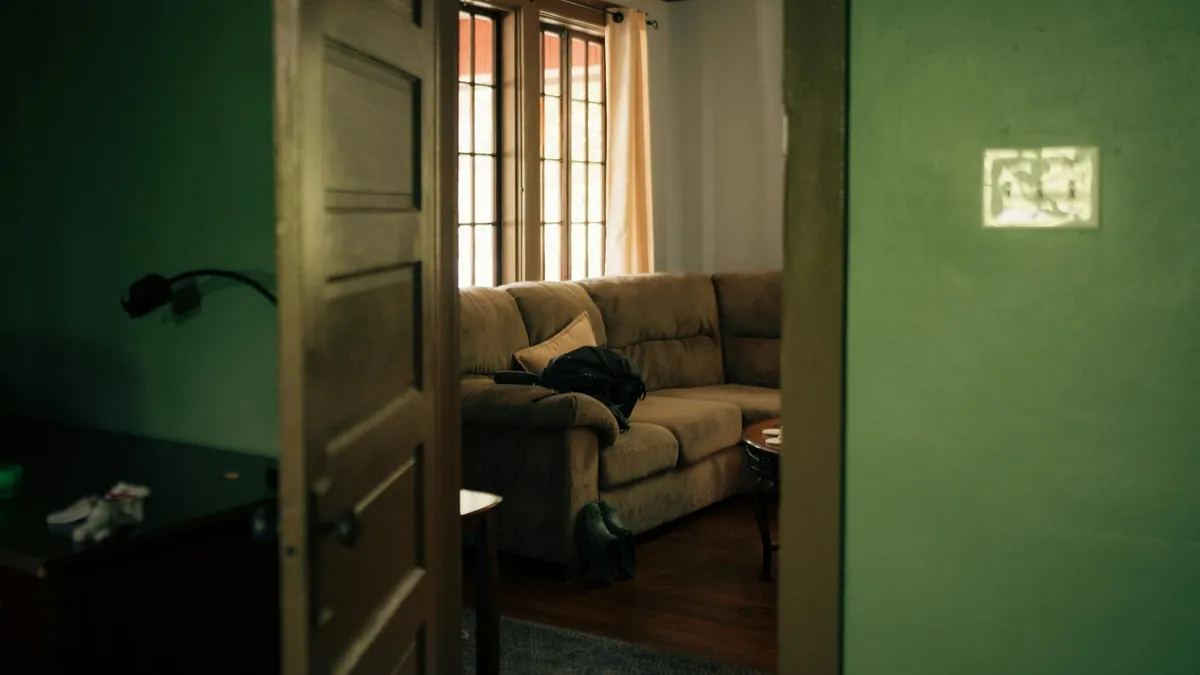
The contemporary sofa, in the form most homes contain, is a relatively recent invention. The piece of furniture that dominates contemporary living rooms — a long upholstered seating piece accommodating multiple people in a casual posture — has specific historical origins. Understanding these origins reveals what the contemporary sofa reflects about how we live.
The history is more interesting than typically appreciated. The contemporary sofa is not just furniture; it's an artifact of specific cultural developments around domestic life, leisure, and posture. Its evolution traces broader changes in how households use space and time.
Pre-modern seating
For most of human history, residential seating was different from what dominates contemporary homes:
Formal seating in pre-industrial European homes (where it existed at all) typically consisted of chairs, settles, and benches. The pieces were upright, designed for active sitting rather than reclining.
Multi-person seating that did exist (settles, the early settee) was firm and formal rather than casual.
Reclining was not a typical seated posture. Daybeds and similar furniture existed for specific purposes (reading, sleeping during illness) but were not central to domestic life.
The shift toward casual reclining seating tracked specific historical developments that produced contemporary expectations.
The eighteenth and nineteenth century evolution
The settee and early sofa emerged in the eighteenth century as upholstered formal seating for multiple people. Examples included:
The chesterfield (named for the Earl of Chesterfield), which combined upholstered seating with fully buttoned tufting and rolled arms.
The English camelback sofa with curved back and upholstered arms.
Various French settee forms with specific period characteristics.
These pieces were formal furniture for specific receiving rooms. They were not the pieces of casual daily use that contemporary sofas typically are.
The Victorian era expanded sofa use into more rooms but maintained the formal character of the pieces. Victorian parlors and morning rooms contained sofas, but the use was still formal.
The twentieth century shift
The twentieth century produced fundamental changes in residential seating:
Rise of the living room. The living room as concept replaced the formal parlor in many homes during the early twentieth century. The new room was for casual use rather than formal reception.
Mass production of upholstered furniture. Industrial production made upholstered seating affordable for middle-class households at scale.
Television. The introduction of television in the mid-twentieth century created new patterns of household time use. The sofa became furniture for watching television.
Casual culture. Broader cultural shifts toward casualness affected furniture expectations. Formal seating became less appropriate.
Open-plan houses. Mid-century shift toward open-plan house designs eliminated separate parlors. Living rooms became more central.
The combination produced sofas that were larger, deeper, more casual, and more central to households than their predecessors.
The mid-century classics
The mid-twentieth century produced specific sofa designs that became canonical:
The Florence Knoll sofa represented a modernist re-imagining of the form. Clean lines, restrained materials, considered proportions. The piece remains in production.
Mogensen and other Danish modern sofas brought Scandinavian design principles to upholstered seating. Solid wood frames, leather or wool upholstery, considered proportions.
The Eames sofa represented Charles and Ray Eames' approach to seating. Specific aesthetic and structural choices that have aged well.
The B&B Italia Camaleonda introduced modular seating that could be reconfigured. The form has continued through various revivals.
These designs share specific properties — considered proportions, quality materials, restrained ornamentation — that have allowed them to age well across decades.
The contemporary sofa landscape
Contemporary sofas show substantial variation:
Mass-market sofas represent the dominant volume. They prioritize affordability and accessibility over longevity and quality.
Premium contemporary sofas continue specific design traditions while incorporating contemporary materials and techniques.
Designer collaborations produce specific pieces with substantial design content but typically substantial prices.
Modular and sectional sofas have grown to dominate many segments. They allow flexibility but often at the cost of design coherence.
Compact and apartment-scale sofas have grown as housing has compacted. Adapting traditional sofa forms to smaller spaces.
The variety reflects diverse household types, budgets, and design preferences.
What the contemporary sofa reflects
Contemporary sofas reflect specific aspects of contemporary life:
Television-centered living. Sofa proportions reflect viewing distance from screens. Deep cushions accommodate extended viewing in casual postures.
Multiple-screen culture. Sofas often accommodate phones, tablets, laptops alongside television. Side tables, USB ports, and accessory storage reflect this.
Sleeping uses. Sofa beds and sectional sleeper designs reflect the use of living rooms as guest rooms and occasional sleeping space.
Family and pet use. Durability against children, pets, and casual food consumption shapes contemporary sofa requirements.
Smaller rooms. Many contemporary sofas adapt to smaller rooms than their mid-century predecessors assumed.
Renting culture. Sofas designed for periodic moves reflect substantial renter populations.
The pieces themselves embody these expectations even when occupants don't recognize this.
Quality and longevity considerations
Sofa quality varies enormously:
Frame construction. Solid hardwood frames with proper joinery support decades of use. Engineered wood and stapled construction has substantially shorter life.
Spring construction. Eight-way hand-tied springs provide superior support and longevity. Sinuous spring construction is more common but lower-quality.
Cushion materials. Down-and-feather cushions can be re-fluffed indefinitely. Foam cushions degrade and require replacement. Specific spring-down combinations balance considerations.
Upholstery materials. Quality leather and natural fiber upholstery age well. Synthetic upholstery degrades faster and can't be repaired similarly.
Joinery and assembly. Quality assembly with proper joinery survives moves and use. Cheaper assembly comes apart eventually.
Quality sofas cost substantially more than mass-market alternatives but typically last decades while mass-market alternatives need replacement within 5-15 years.
The investment calculation
Sofa investment economics:
A $1,200 mass-market sofa lasting 7 years has a per-year cost of about $170.
A $5,000 quality sofa lasting 25 years has a per-year cost of $200.
The economics are roughly comparable for typical scenarios. The quality sofa offers substantially better experience at similar long-term cost.
For higher use scenarios (families, pets, central living rooms), the quality sofa's longevity advantage grows. For lower use scenarios (rental apartments, occasional use), the calculation favors lower initial investment.
Many households would benefit from sofa investment they don't make. The quality difference is visible and sustained.
Specific contemporary recommendations
For people considering substantial sofa purchases:
For substantial use over decades: Quality manufacturers (Kingcome, B&B Italia, RH, Ralph Pucci, etc.) at appropriate price points. The investment justifies itself through longevity.
For specific design preferences: Direct from designers or studio makers. Prices vary widely; quality varies widely.
For tighter budgets but quality concerns: Vintage purchases. Many quality vintage sofas are available at reasonable prices and offer better quality than budget new sofas.
For modular/sectional needs: Specific quality manufacturers (Living Divani, Cassina, Knoll). The flexibility is real but limits options for quality.
For tight budgets: Acceptable mass-market options exist. Plan for replacement within 5-10 years and budget accordingly.
Each scenario has specific considerations.
What sofas reveal about households
Looking at sofas can tell substantial things about households:
The quality and condition of a sofa reveals how the household values long-term over short-term thinking.
The cleanliness and care of a sofa reveals general household maintenance attention.
The placement and orientation reveal what activities the room is actually used for.
The accessory pillows, throws, and items reveal taste and habits.
Whether the sofa is comfortable to actually sit on for extended periods reveals whether the room serves the household or just photographs.
The sofa is often the most-used piece of furniture in a home and often reveals more about the household than any other single piece.
What the contemporary sofa might be missing
Contemporary sofa design has specific gaps relative to historical alternatives:
Most contemporary sofas can't be repaired by typical service providers. Damaged sofas typically get replaced rather than repaired.
Many contemporary sofas are too deep for upright sitting comfortably. They prioritize reclining over multiple uses.
Contemporary upholstery often uses synthetic materials that don't age as well as natural materials.
Mass-market sofa proportions often look cluttered when furnishing actual rooms. The dimensions optimize for showroom display rather than residential use.
Many contemporary sofas are designed for short ownership cycles rather than decades of use.
Each gap is addressable but addressing them requires deliberate selection that resists default options.
The future of the sofa
Looking forward, several trends affect sofa design:
Compact urban housing will continue to drive smaller-scale sofa designs.
Sustainability concerns may drive longer-life designs that justify higher initial prices.
Specific environmental concerns about synthetic materials may increase natural material adoption.
The relationship between television and seating may change as screens become more variable in size and placement.
Working-from-home culture may shift living room functions and corresponding furniture requirements.
The future sofa will likely look somewhat different from current dominant forms.
A closing observation
The contemporary sofa is the result of specific historical developments. It reflects specific assumptions about how households live, what activities living rooms support, and what furniture should provide.
For households that want their living rooms to support specific kinds of activity, the choice of sofa shapes what's possible. The wrong sofa for the household's actual life produces sustained low-grade discomfort. The right sofa supports the household's actual patterns.
The investment in the right sofa is substantial but the daily use is also substantial. The sofa is typically the most-used piece of furniture in a home. Its quality affects daily life directly.
For homeowners considering sofa purchases, the choice deserves substantial attention. The piece will substantially shape living room experience for years. Inadequate consideration produces results that disappoint without being clearly fixable.
For practitioners, sofa selection is a substantial part of residential design work. The choice affects so much of how a room functions that getting it right matters disproportionately.
The history continues. The sofas evolve. The pieces respond to changing patterns of life. The work of choosing them well continues, in the long quiet rhythm by which households and the furniture they choose come to express how those households actually live.
The sofa sits where someone has placed it. Someone is sitting on it now. The piece does what it does, well or poorly, for the household that has chosen it. The discipline of choosing carefully matters substantially for what a living room becomes across the years that the household lives with it.