Home decor trends frequently shift, but a consistent desire among consumers and designers alike is to create spaces that feel elevated, luxurious, and, ultimately, expensive. This isn't solely about high price tags; it's about strategic choices in materials, aesthetics, and arrangement that convey quality, thoughtfulness, and a refined sensibility. For content creators, designers, and marketers in the home furnishings sector, understanding these specific trends and their underlying psychological impact is crucial for developing resonant messaging and product offerings. This analysis focuses on actionable decor approaches that consistently achieve that coveted high-end aesthetic.
The Strategic Use of Elevated Materials
The foundation of an expensive-feeling room often lies in its material palette. Perceived value is directly linked to the quality and authenticity of surfaces and textures. Moving beyond synthetic or mass-produced options signals an investment in durability and aesthetic longevity.
Natural Textures and Finishes
Prioritize natural materials such as solid wood (walnut, oak, teak), genuine stone (marble, travertine, granite), and metals (brass, bronze, wrought iron). These materials possess inherent variations and imperfections that add character and depth, distinguishing them from uniform, manufactured alternatives. Their weight and tactile qualities contribute to a sense of permanence and craftsmanship. For instance, a solid wood coffee table, even if minimalist in design, communicates more luxury than a veneer-covered particle board piece because its material integrity is evident.
Plush Fabrics and Upholstery
Fabric choices significantly influence a room's perceived cost. Opt for textiles with rich textures and substantial hand-feels. Velvet, linen, wool, bouclé, and high-thread-count cottons instantly elevate seating, drapery, and decorative pillows. The way light interacts with these materials—their sheen, drape, and ability to hold shape—contributes to a sophisticated visual experience. A sofa upholstered in a deep-pile velvet, for example, suggests comfort and opulence more effectively than one in a flat, synthetic blend.
Mastering Color Palettes for Perceived Value
Color is a powerful, yet often underestimated, tool in conveying luxury. The right palette can transform a standard room into a sophisticated sanctuary, not by brightness, but by depth and subtlety.
Muted Tones and Monochromatic Schemes
Sophisticated rooms frequently employ muted, desaturated colors or monochromatic schemes. Think soft grays, warm beiges, deep charcoals, and dusty blues or greens. These colors provide a calming, cohesive backdrop that allows other elements to shine without competing for attention. A tone-on-tone approach, using varying shades and textures of a single color, creates visual interest and depth without introducing clutter, suggesting a deliberate and refined design choice.
Rich Jewel Accents
While muted tones form the base, strategic use of rich jewel tones—emerald green, sapphire blue, ruby red, amethyst purple—can add points of visual luxury. These colors are best used as accents in smaller doses: a velvet throw pillow, a piece of art, or a single upholstered chair. Their intensity and depth evoke a sense of richness and rarity, much like actual jewels, without overwhelming the space.
Lighting as a Statement and Layered Ambiance
Lighting is not merely functional; it is a critical design element that shapes mood, highlights features, and contributes significantly to the perceived expense of a room.
Sculptural Fixtures
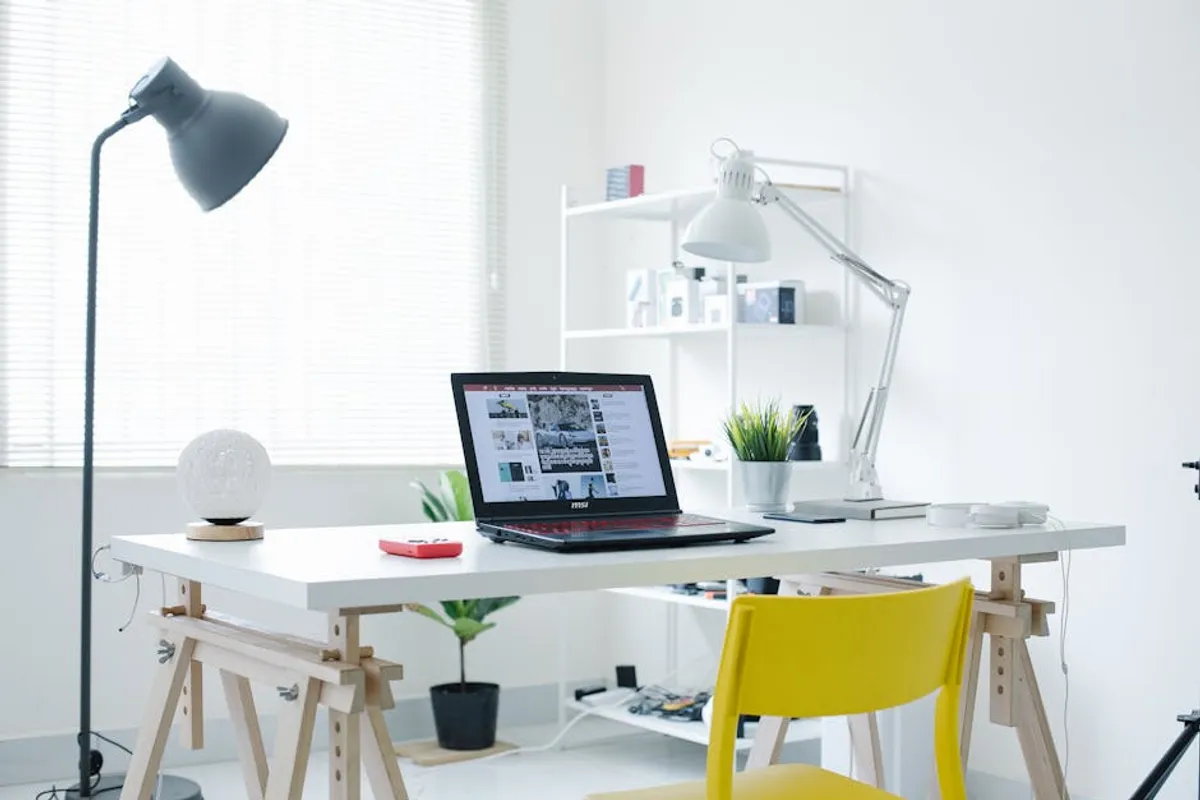
Move beyond basic flush mounts or simple table lamps. Introduce lighting fixtures that double as art pieces. Chandeliers, oversized pendants, or unique floor lamps with interesting forms or high-quality materials (e.g., hand-blown glass, polished metals) draw the eye and serve as focal points. These fixtures signal a commitment to design beyond mere illumination.
Strategic Layering
An expensive-feeling room never relies on a single light source. Layered lighting—a combination of ambient (general), task (functional), and accent (highlighting art/features) lighting—creates depth and allows for adjustable moods. Dimmers are essential for fine-tuning the atmosphere. This thoughtful approach to illumination demonstrates attention to detail and enhances the overall sensory experience of the space.
Intentional Curation of Art and Objects
A truly expensive-looking room feels personal and collected, not just decorated. This comes from the deliberate selection and arrangement of art and decorative objects.
Large-Scale Art
Instead of multiple small, disparate pieces, consider one or two large-scale artworks. A single, commanding painting or print can anchor a wall, provide a focal point, and instantly elevate a room. The size itself communicates confidence and a willingness to invest in statement pieces, even if the art itself is not exorbitantly priced. It also reduces visual clutter, allowing the chosen piece to breathe.
Unique Decorative Elements
Avoid generic, mass-produced decorative items. Seek out unique, handcrafted, or vintage pieces. These could be ceramic vases, sculptural objects, interesting books, or antique finds. The story behind an object, its rarity, or its artistic merit contributes to a sense of curated luxury. Arrange these items thoughtfully in vignettes on shelves, coffee tables, or consoles, ensuring each piece has space to be appreciated.
The Impact of Scale and Thoughtful Proportions
The way furniture and decor relate to the size of the room and to each other is paramount. An expensive look often means avoiding cramped spaces or undersized pieces.
Opt for furniture that is appropriately scaled for the room. An oversized sofa in a small living room feels overwhelming, while a tiny rug in a large space looks lost. Generous proportions in key pieces, such as a substantial dining table or a deep, comfortable armchair, convey a sense of abundance and comfort. Thoughtful spacing between furniture allows for clear pathways and emphasizes the room's dimensions, making it feel more expansive and luxurious.
Architectural Enhancements and Custom Details
While not strictly "trends," the emphasis on architectural details and custom touches has seen a resurgence as a way to imbue rooms with enduring value and a bespoke feel.
Upgrading standard elements like baseboards, crown molding, or door casings instantly adds character and a sense of established quality. Built-in shelving or cabinetry, even simple ones, provide a custom, tailored look that mass-produced furniture cannot replicate. Even small details, such as replacing builder-grade hardware on doors and cabinets with more substantial, well-designed pulls and knobs in a quality finish, can significantly elevate the overall aesthetic.
Pro Tip: When sourcing materials or decorative objects, focus on intrinsic quality over brand recognition. A well-crafted, unbranded ceramic vase often conveys more authentic luxury than a mass-market item with a visible designer label. The 'expensive feel' is more about perceived value through material integrity and thoughtful design than overt branding.
Practical Application for Content Creators
For those developing content or product lines in the home decor space, these insights translate into specific strategies:
- Emphasize Materiality: Highlight the natural origin, texture, and durability of materials in product descriptions and visual content.
- Curate Palettes: Showcase products within sophisticated color schemes, demonstrating how different items combine to create a cohesive, elevated look.
- Illustrate Scale: Use lifestyle photography that accurately depicts furniture proportions within various room sizes, providing context for the consumer.
- Focus on Detail: Zoom in on craftsmanship, unique finishes, and subtle design elements that differentiate products.
- Promote Layering: Create content around how to layer lighting, textures, and decorative objects to build depth and richness.
Elevating Spaces with Intent
Creating a room that feels expensive is less about the literal cost of every item and more about the deliberate choices made in its design. It's an exercise in curation, focusing on quality over quantity, thoughtful composition over haphazard accumulation, and timeless appeal over fleeting fads. By understanding and applying these specific decor trends and principles—from the tactile richness of materials to the strategic play of light and color—designers, marketers, and homeowners can consistently craft environments that exude an undeniable sense of luxury and refined taste.
Frequently Asked Questions
What is the most impactful change to make a room feel expensive?
Upgrading key textiles like curtains, throw pillows, and area rugs to high-quality, natural materials such as linen, velvet, or wool often provides the most immediate and noticeable upgrade in perceived luxury due to their significant visual and tactile presence.
How can I make a room look expensive on a budget?
Focus on decluttering to create a sense of space, incorporate a few large-scale art pieces or mirrors, use a cohesive muted color palette, and upgrade small details like cabinet hardware or light switch plates to more substantial options.
Do certain colors always make a room look more expensive?
While deep, rich jewel tones and muted, sophisticated neutrals (like charcoal, deep greens, warm beiges, and soft grays) often convey luxury, it's the strategic application and combination of colors, along with quality materials, that truly makes a room feel expensive, rather than any single color in isolation.