Understanding the current landscape of interior design trends is not merely an exercise in aesthetic appreciation; it is a strategic imperative for content creators, marketers, product developers, and publishers. These trends reflect broader shifts in consumer behavior, economic priorities, technological adoption, and cultural values. For businesses operating in or adjacent to the home and lifestyle sectors, recognizing and interpreting these movements informs content strategy, product development cycles, advertising narratives, and market positioning. Ignoring them risks producing irrelevant content, developing misaligned products, or missing critical engagement opportunities with target audiences. This overview dissects the prominent currents in interior design, offering a framework for commercial application rather than just stylistic observation. Understanding these shifts is key, and following the best practices for leveraging trends ensures your content remains relevant and impactful.
Drivers Shaping Contemporary Design Aesthetics
Interior design trends rarely emerge in a vacuum. They are often direct responses to global events, technological advancements, and evolving societal values. Recognizing these underlying drivers provides a more robust understanding of why certain aesthetics gain traction and how long they might persist. Key influences include:
- Sustainability and Ethical Consumption: A growing demand for environmentally responsible products and practices, leading to increased interest in natural materials, upcycling, and circular design principles.
- Wellness and Biophilia: Heightened awareness of mental and physical well-being, translating into designs that foster calm, incorporate natural elements, and prioritize comfort.
- Technological Integration: The seamless incorporation of smart home devices and digital connectivity, influencing furniture design, lighting, and overall spatial planning.
- Economic Shifts: Periods of uncertainty often lead to a desire for comfort, nostalgia, and durability, while prosperity can fuel experimentation and luxury.
- Cultural Exchange and Globalization: Increased exposure to diverse cultures through travel and digital media broadens design influences and hybridizes styles.
- Remote Work and Hybrid Lifestyles: The redefinition of home as a multi-functional space for living, working, and leisure, demanding adaptable and ergonomic solutions.
Dominant Aesthetic Movements and Their Commercial Resonance
Several overarching design philosophies currently define the interior landscape, each presenting distinct opportunities for content and commerce.
Quiet Luxury and Understated Elegance
This trend emphasizes quality, craftsmanship, and timelessness over overt branding or flashy displays. It favors refined palettes, luxurious textures, and well-made pieces that convey sophistication without being ostentatious.
Commercial Application:
- Content: Focus on educational pieces about material quality (e.g., "Understanding Linen Thread Counts," "The Durability of Solid Wood Joinery"), artisanal techniques, and investment pieces.
- Product: Develop or highlight products with superior materials, subtle detailing, and classic silhouettes. Emphasize provenance and craftsmanship in product descriptions.
Biophilic Design and Natural Immersion
Integrating natural elements, patterns, and light into indoor spaces to enhance well-being and connection to the outdoors. This includes abundant plant life, natural ventilation, organic forms, and material palettes derived from nature.
Commercial Application:
- Content: Guides on indoor plant care, articles on natural light optimization, features on sustainable materials, and "bringing the outdoors in" styling tips.
- Product: Offerings like planters, natural fiber rugs, wood furniture, botanical prints, and smart lighting systems that mimic natural daylight cycles.
Maximalism Reimagined: Curated Eclecticism
Moving beyond cluttered excess, this contemporary maximalism is about intentional layering of diverse patterns, textures, and objects that tell a personal story. It’s less about volume and more about personality and thoughtful curation.
Commercial Application:
- Content: "How to Mix Patterns Effectively," "Curating a Personal Art Collection," "Styling with Vintage Finds."
- Product: Focus on unique, artisanal, or vintage-inspired decorative objects, bold textiles, and statement furniture pieces that encourage personalization.
Wellness-Focused Sanctuaries
Designing spaces specifically for relaxation, comfort, and mental clarity. This involves soft lighting, comfortable seating, calming color schemes, and elements that reduce stress, such as aromatherapy diffusers or sound-absorbing materials.
Commercial Application:
- Content: "Creating a Mindful Home Office," "Bedroom Design for Better Sleep," "Sensory Elements for a Calming Space."
- Product: Ergonomic furniture, blackout curtains, high-quality bedding, ambient lighting, sound machines, and aromatherapy products.
Evolving Color Palettes and Materiality
Color and material choices are fundamental expressions of these broader trends.
Color in Focus
The current palettes lean towards:
- Earthy Neutrals: Warm beiges, muted greens, terracotta, and soft greys provide a grounding, calming backdrop.
- Rich Jewel Tones: Deep emeralds, sapphire blues, and ruby reds used as accents or in luxurious textiles, often paired with softer neutrals.
- Soft Pastels: Blushed pinks, pale blues, and mint greens offer a gentle, optimistic feel, particularly in wellness-oriented spaces.
Materiality and Texture Focus
Tactility and natural origins are paramount:
- Natural Woods: Lighter, unstained woods like ash and white oak, alongside reclaimed and darker, richer walnut tones.
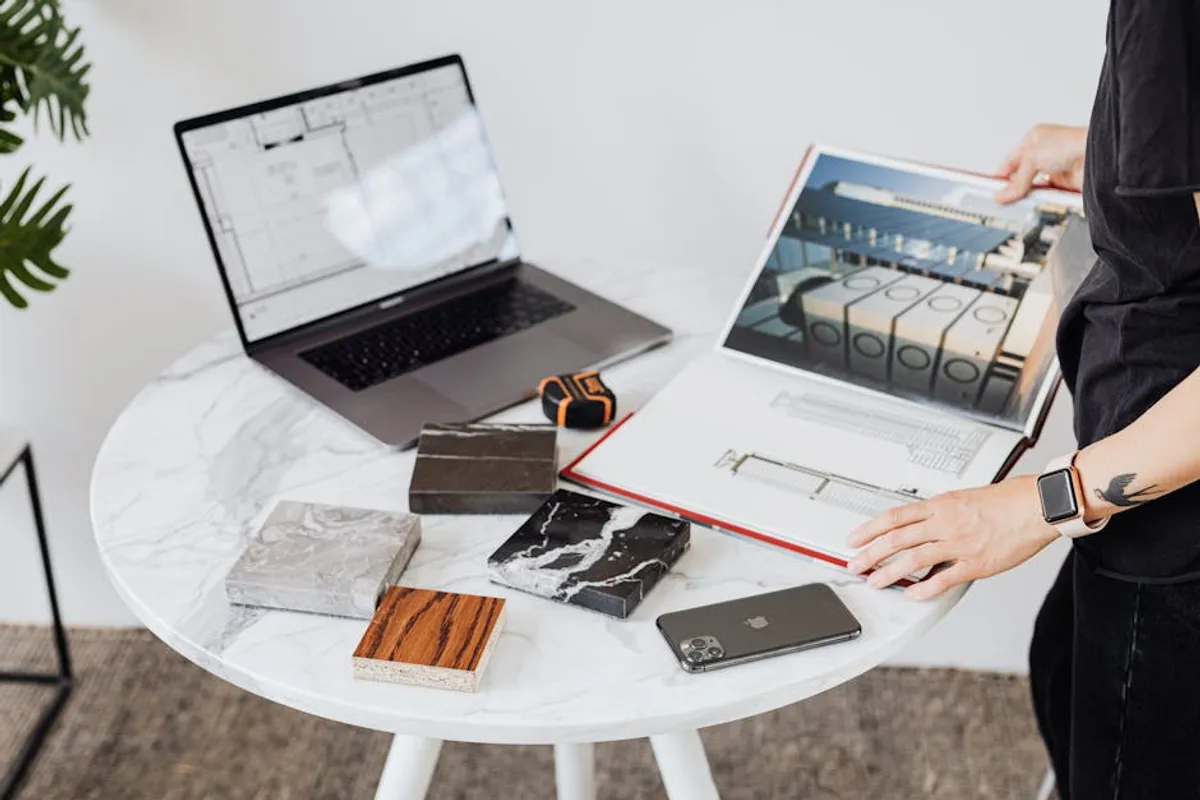
- Stone: Travertine, marble, and quartz in their natural, often matte, finishes for surfaces and decorative objects.
- Textiles: Boucle, linen, raw silk, and textured wools emphasize comfort and a handcrafted feel.
- Metals: Brushed brass, matte black, and aged bronze for fixtures and hardware, moving away from high-gloss finishes.
Pro Tip: Prioritize understanding the underlying consumer needs and values driving a trend, rather than simply replicating surface-level aesthetics. This ensures content and product development resonate more deeply and offer lasting relevance, avoiding the trap of fleeting fads.
Leveraging Trends for Commercial Advantage
For publishers, marketers, and agencies, identifying these trends is only the first step. The real value lies in their strategic application.
For Content Strategy and Publishing
Develop evergreen content around trend fundamentals (e.g., "The Psychology of Color in Design") and timely pieces on emerging micro-trends. Utilize high-quality visual assets that embody these aesthetics. Consider expert interviews with designers or trend forecasters. Focus on long-tail keywords related to specific materials, styles, and applications (e.g., "travertine coffee table styling," "biophilic bathroom design ideas").
For Product Development and E-commerce
Inform product lines by aligning with dominant material, color, and form preferences. Optimize product descriptions with trend-relevant keywords. Create curated collections that showcase how products fit into specific aesthetic movements. Use trend data to guide visual merchandising and advertising campaigns, ensuring product imagery resonates with current consumer desires.
For Agency Clients and Market Positioning
Advise clients on how to position their brands or products within the current design landscape. Conduct competitive analysis to identify gaps or opportunities within popular trends. Develop comprehensive marketing strategies that leverage trend insights to create compelling narratives and target specific consumer segments effectively.
Staying Ahead: Continuous Trend Monitoring
Interior design trends are dynamic. Continuous monitoring through industry reports, design shows, social media analysis, and consumer behavior studies is essential. Establish systems for tracking emerging keywords, visual cues, and influencer activity within the design space. This proactive approach allows for agile content adjustments and responsive product strategies, ensuring ongoing commercial relevance and audience engagement. By diligently tracking these elements, businesses can stay ahead of the curve and identify the key interior design trends to watch for future planning.
Frequently Asked Questions
How long do interior design trends typically last?
Major aesthetic movements, like biophilic or quiet luxury, can evolve over several years, often lasting 3-7 years in their dominant form. Micro-trends, such as specific colors or material pairings, may have shorter lifespans, sometimes only 1-2 years, before being replaced or integrated into broader styles.
What are reliable sources for identifying emerging interior design trends?
Reputable sources include major design fairs (e.g., Salone del Mobile, High Point Market), industry publications (e.g., Architectural Digest, Elle Decor), trend forecasting agencies, and platforms like Pinterest and Instagram, which reflect real-time consumer interest and designer activity.
How can businesses leverage trends without appearing derivative?
Instead of direct replication, focus on interpreting trends through your brand's unique lens. Understand the core values driving a trend and integrate elements that align with your brand identity and product offering, ensuring authenticity and distinctiveness.
How do interior design trends influence long-term brand identity?
While specific trends inform seasonal collections or content, a brand's long-term identity should be built on enduring values and a consistent aesthetic vision. Trends can provide opportunities for refreshing or expanding a brand's appeal, but they should not dictate its fundamental character, which requires a more timeless approach.