Jibhi, nestled in the Tirthan Valley of Himachal Pradesh, offers a distinct alternative to more frequented hill stations. For travelers seeking a specific blend of tranquility, natural immersion, and authentic local culture, understanding Jibhi's unique characteristics is crucial for effective planning. This guide details the core attractions, accommodation types, and practical exploration strategies to ensure a focused and rewarding visit, moving beyond generic travel recommendations to provide actionable insights for a tailored experience.
Key Destinations and Experiences in Jibhi
Jibhi's appeal lies in its serene landscapes and opportunities for active engagement with nature. The primary attractions are not bustling markets but rather natural sites requiring some degree of exploration.
Jalori Pass and Serolsar Lake
Jalori Pass, situated at an altitude of 10,800 feet, serves as a gateway to several trekking routes and offers panoramic views of the Dhauladhar and Kinnaur ranges. It is a critical access point for further exploration into the region. The pass itself is often covered in snow during winter months, impacting accessibility and requiring specific vehicle types.
From Jalori Pass, a moderate 6 km trek leads to Serolsar Lake. This high-altitude lake is surrounded by dense deodar forests and holds local religious significance, often featuring a small temple dedicated to Budhi Nagin. The trek provides a clear objective and a tangible reward in the form of the tranquil lake and its associated folklore.
Best for: Panoramic views, moderate trekking, cultural immersion, natural tranquility.
Raghupur Fort
The ruins of Raghupur Fort are accessible via a 3 km trek from Jalori Pass. While the fort itself is largely dilapidated, its strategic location on a ridge offers expansive 360-degree views of the surrounding valleys and mountains. The trek to Raghupur Fort is less strenuous than Serolsar Lake, making it suitable for those seeking a shorter, rewarding hike with significant scenic payoff.
Best for: Shorter treks, historical context, expansive valley views.
Chehni Kothi
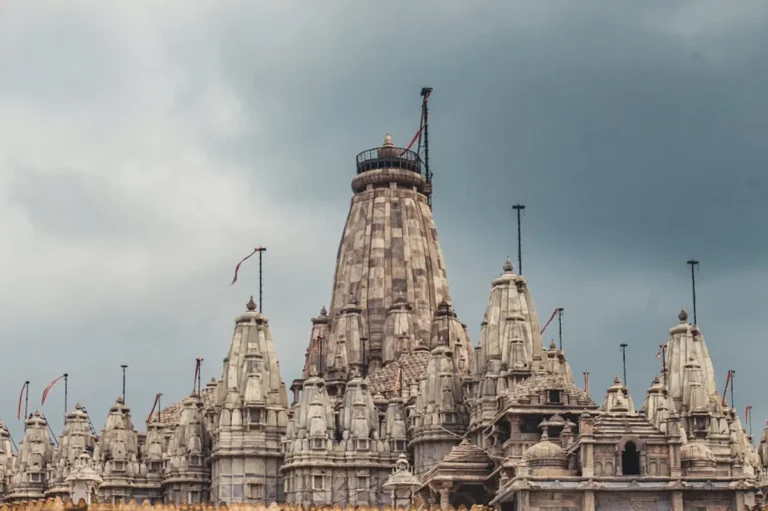
Chehni Kothi is a towering, traditional Himachali tower-temple constructed from wood and stone, standing approximately 150 feet high. Located in the village of Chehni, a short trek from the main Jibhi road, it exemplifies indigenous architectural techniques designed to withstand seismic activity. Visiting Chehni Kothi provides direct insight into the region's historical building practices and cultural heritage.
Best for: Architectural interest, cultural exploration, short village walks.
Local Waterfalls and Riverside Access
Jibhi is characterized by its proximity to the Tirthan River and numerous smaller streams. Several accessible waterfalls, such as the Jibhi Waterfall, provide easily reachable natural points of interest. These spots offer opportunities for relaxation, photography, and experiencing the immediate natural environment without extensive trekking.
Best for: Easy access, relaxation, nature photography.
Accommodation Options in Jibhi
Jibhi's accommodation landscape caters to varying preferences, from rustic homestays to more structured guesthouses, all designed to integrate with the natural surroundings rather than dominate them.
Homestays and Guesthouses
These options form the backbone of Jibhi's hospitality. They typically offer basic to comfortable rooms, often with attached bathrooms. The primary value proposition lies in direct interaction with local families, access to home-cooked meals featuring regional cuisine, and personalized advice on local exploration. Prices are generally budget-friendly, making them a practical choice for extended stays.
- Benefits: Authentic cultural experience, local insights, home-cooked food, cost-effective.
- Considerations: Amenities may be basic, privacy can be limited compared to independent units.
Wooden Cottages and Resorts
For travelers prioritizing privacy and more modern amenities, several wooden cottages and small resorts have emerged. These often provide independent units, sometimes with private balconies or larger living spaces. While still maintaining a rustic aesthetic, they typically offer services like in-house dining, heating solutions, and more structured guest support. Their locations are frequently chosen for scenic views.
- Benefits: Enhanced privacy, modern comforts, scenic locations, dedicated services.
- Considerations: Higher price point, potentially less direct local interaction than homestays.
Camping and Glamping Sites
A growing number of organized campsites and glamping options are available, particularly along the Tirthan River or in secluded forest clearings. These cater to adventurers and those seeking a direct connection with nature. Facilities vary widely, from basic tent pitches to furnished tents with attached washrooms. Booking in advance is advisable, especially during peak seasons, to ensure availability and confirm specific amenity levels.
- Benefits: Immersive nature experience, budget-friendly (for basic camping), unique atmosphere.
- Considerations: Dependent on weather, variable comfort levels, requires preparedness for outdoor living.
Pro Tip: When booking accommodation in Jibhi, inquire specifically about heating options, especially for visits between October and March. Many traditional Himachali structures rely on wood-burning bukharis (stoves) or electric heaters, and confirming availability and functionality can significantly impact comfort during colder periods.
Exploring Jibhi and Its Surroundings
Effective exploration in Jibhi requires an understanding of local transportation, seasonal considerations, and a willingness to engage with the natural environment on foot.
Local Transportation and Accessibility
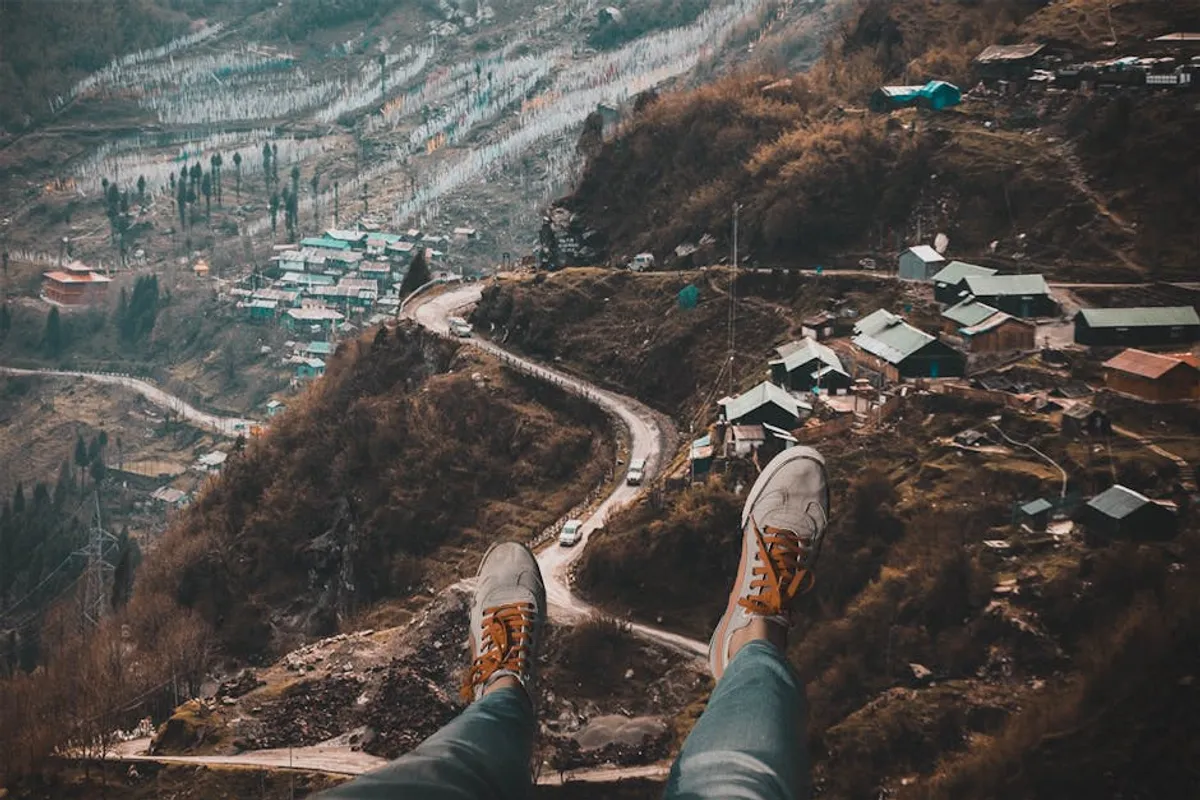
Public transport within Jibhi and to nearby villages is limited. Shared taxis and local buses connect Jibhi to Aut (the nearest major junction on NH3) and Banjar. For exploring specific attractions like Jalori Pass, Serolsar Lake, or Chehni Kothi, hiring a private taxi or relying on personal vehicles is often necessary. Roads to higher altitudes, particularly Jalori Pass, can be challenging, especially after rainfall or snowfall, requiring vehicles with higher ground clearance or 4x4 capabilities.
Recommendation: Pre-arrange transport for specific excursions or budget for local taxi services. Walking is the primary mode for short distances and village exploration.
Optimal Seasons for Visiting
The best time to visit Jibhi depends on desired activities and weather tolerance:
- March to May: Pleasant weather, ideal for trekking and outdoor activities. Temperatures are moderate, and skies are generally clear.
- June to September: Monsoon season. The valley is lush green, but heavy rainfall can lead to landslides and make trekking difficult. Roads can be slippery.
- October to November: Post-monsoon, clear skies, crisp air, and vibrant autumn foliage. Excellent for photography and moderate treks before winter sets in.
- December to February: Winter. Jibhi often experiences snowfall, transforming the landscape. Ideal for those seeking a snowy retreat, but many trekking routes become inaccessible, and temperatures drop significantly.
Responsible Tourism Practices
Jibhi's pristine environment is a key draw. Visitors should adhere to responsible tourism guidelines: avoid littering, minimize plastic waste, respect local customs and traditions, and support local businesses directly. Engage with the environment thoughtfully to preserve its character for future visitors.
Planning Your Jibhi Experience
A successful trip to Jibhi hinges on detailed preparation regarding logistics, weather, and expectations. Focus on the immersive experience rather than a checklist of sights.
Consider the duration of your stay based on your activity preferences. A minimum of 3-4 days allows for a balanced mix of trekking, village exploration, and relaxation. Pack layers of clothing, suitable footwear for uneven terrain, and rain gear if visiting during the monsoon. Connectivity can be intermittent, so download offline maps and essential information in advance.
Frequently Asked Questions About Jibhi Travel
How do I reach Jibhi?
The nearest major transit point is Aut, on NH3. From Aut, you can take a local bus or hire a taxi to Jibhi, which is approximately 1.5-2 hours away. The nearest airport is Kullu-Manali Airport (Bhuntar), and the nearest railway station is Kiratpur Sahib or Chandigarh.
Is Jibhi suitable for families with children?
Yes, Jibhi can be family-friendly, particularly for families who enjoy nature and light outdoor activities. Many homestays are welcoming, and local walks are manageable. However, extensive treks to places like Serolsar Lake might be challenging for very young children.
What kind of food is available in Jibhi?
Homestays typically offer traditional Himachali cuisine, often vegetarian, with fresh local ingredients. Guesthouses and small cafes also serve Indian and some continental dishes. Expect simple, hearty meals rather than extensive fine dining options.
Is mobile network connectivity reliable in Jibhi?
Mobile network connectivity can be intermittent and varies by provider. Jio and Airtel generally offer better coverage in some areas, but expect patchy service, especially in secluded spots or during adverse weather. It's advisable to inform contacts about potential communication gaps.