
Effective lighting transcends mere illumination; it actively shapes perception, influences mood, and directs attention, making it a foundational element for any commercial space or content creation endeavor. For beginners, understanding core lighting principles is crucial for making informed decisions that impact everything from product appeal to customer experience and operational efficiency. This guide breaks down essential concepts, providing a practical framework for selecting and implementing lighting solutions that serve specific commercial objectives.
Understanding Light Quality and Direction
The quality and direction of light are not abstract concepts but measurable attributes with direct commercial implications. Ignoring these fundamentals can result in inaccurate product representation, an uninviting atmosphere, or inefficient workspaces.
Color Temperature: Setting the Mood and Accuracy
Color temperature, measured in Kelvin (K), describes the perceived warmth or coolness of light. Lower Kelvin values (e.g., 2700K-3000K) produce a warm, yellowish light, often associated with comfort and relaxation. Higher values (e.g., 4000K-5000K) yield a cooler, bluer light, linked to alertness and precision. For retail environments, a warm temperature can create an inviting ambiance for lounge areas, while a cooler, neutral white (3500K-4000K) is often preferred for product displays to ensure accurate color rendition without a yellow cast. For video production or photography, matching color temperatures across light sources prevents color shifts in the final output.
Color Rendering Index (CRI): True-to-Life Colors
CRI measures how accurately a light source reveals the true colors of objects compared to natural daylight. A CRI of 80 or higher is generally considered good, while 90+ is excellent. In commercial settings, a high CRI is non-negotiable for applications where color accuracy is critical, such as art galleries, fashion retail, or product photography. A low CRI can make products appear dull or discolored, directly affecting customer perception and purchase decisions.
Light Direction: Shaping Perception and Focus
The direction from which light strikes an object or scene significantly alters its appearance. Frontal lighting flattens features, reducing shadows and texture. Side lighting enhances texture and depth, creating dramatic effects. Backlighting separates a subject from its background, adding a halo effect. Top lighting can create strong shadows, emphasizing contours, while bottom lighting often produces an unsettling or dramatic effect. For retail displays, a combination of frontal and side lighting can highlight product details and create visual interest. In video interviews, a three-point lighting setup (key, fill, and back light) is standard for creating depth and professional appearance.
Key Lighting Types for Commercial Applications
Commercial lighting employs distinct types, each serving a specific function. Understanding their roles allows for strategic implementation that maximizes both aesthetics and utility.
- Ambient/General Lighting: This provides overall illumination for a space, ensuring basic visibility. It's the foundational layer, often achieved with recessed lights, ceiling fixtures, or track lighting. Its primary goal is uniform brightness.
- Task Lighting: Focused illumination for specific activities or workstations. Examples include desk lamps, under-cabinet lights in a kitchen, or spotlighting over a workbench. Task lighting improves productivity and reduces eye strain by providing adequate light where it's most needed.
- Accent Lighting: Designed to highlight specific objects, architectural features, or areas of interest. Spotlights, wall washers, and picture lights fall into this category. In retail, accent lighting draws attention to premium products or promotional displays.
- Decorative Lighting: Primarily aesthetic, contributing to the overall design and atmosphere. Chandeliers, wall sconces, and pendant lights often serve decorative purposes, enhancing brand identity and customer experience. While functional, their main role is visual appeal.
Pro Tip: When planning lighting for a retail space, consider how varying light levels and types can guide customer flow. Brighter, accent-lit areas naturally draw attention, while softer, warmer ambient light can encourage lingering in certain sections. This strategic use of light influences purchasing behavior.
Layering Light for Impact and Function
Effective commercial lighting rarely relies on a single source or type. Instead, it involves layering different lighting types to achieve a dynamic, functional, and visually appealing environment. This approach allows for flexibility and adaptability, catering to various needs throughout the day or for different events.
A common layering strategy involves starting with ambient lighting to establish a base level of illumination. Then, task lighting is introduced where specific activities occur, ensuring functionality. Finally, accent and decorative lighting are added to highlight key features, create focal points, and reinforce the desired aesthetic or brand message. For instance, a restaurant might use dim ambient lighting for intimacy, task lighting over server stations for efficiency, and decorative pendants over tables for ambiance.
Practical Considerations for Lighting Implementation
Beyond aesthetics and function, several practical factors influence the success and cost-effectiveness of a lighting plan.
- Energy Efficiency: Modern LED technology offers significant energy savings and longer lifespans compared to traditional incandescent or fluorescent bulbs. Prioritizing LEDs reduces operational costs and maintenance frequency, a crucial factor for businesses.
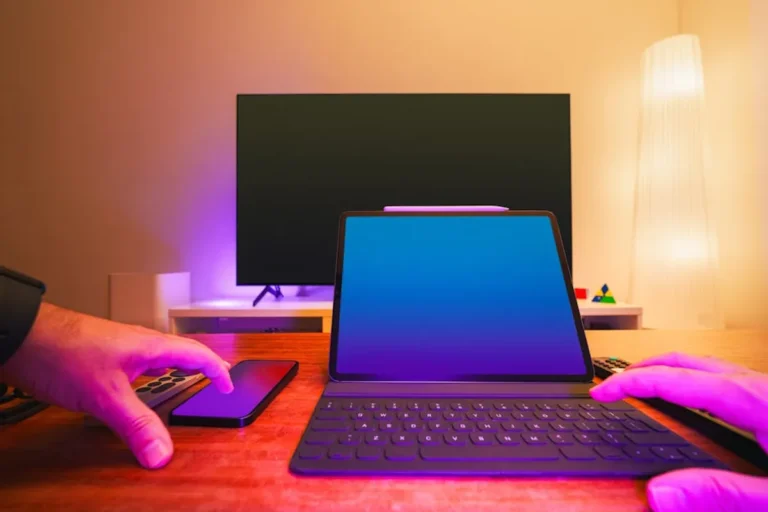
- Dimmability and Controls: The ability to adjust light intensity allows for greater flexibility in creating different moods or adapting to varying daylight conditions. Smart lighting systems offer advanced control, including scheduling, motion sensing, and integration with other building management systems, optimizing energy use and user experience.
- Budget and Installation: Initial investment in quality fixtures and professional installation can prevent costly issues down the line. Consider both upfront costs and long-term operating expenses when making purchasing decisions.
- Maintenance: Ease of access for bulb replacement and fixture cleaning impacts ongoing operational efficiency. High ceilings or complex installations may require specialized equipment or personnel for maintenance.
Optimizing Your Lighting Setup
Lighting is not a "set it and forget it" element. Regular evaluation and adjustment are necessary to ensure it continues to meet commercial objectives.
Periodically assess how your lighting impacts product visibility, customer comfort, and employee productivity. For content creators, this means reviewing footage or photographs under various lighting conditions to identify areas for improvement. Consider seasonal changes in natural light and how they interact with your artificial lighting. Dimmers and smart controls facilitate these adjustments without requiring physical changes to fixtures. Documenting your preferred settings for different scenarios can streamline future optimization efforts.
Common Lighting Questions
What is the ideal color temperature for a retail store?
For general retail spaces, a neutral white light (3500K-4000K) is often preferred as it provides good color accuracy for products without being overly warm or cool. Specific sections, like a cozy lounge area, might benefit from warmer light (2700K-3000K), while task areas might use cooler light (4000K-5000K).
How does CRI affect product photography?
A high CRI (90+) is essential in product photography because it ensures that the colors of your products are rendered accurately in images. Low CRI lighting can make colors appear dull, washed out, or even distorted, misrepresenting the product to potential customers.
Are smart lighting systems worth the investment for a small business?
For many small businesses, smart lighting systems offer significant benefits, including energy savings through scheduling and dimming, enhanced ambiance control, and potential integration with security or HVAC systems. While the initial cost may be higher, the long-term operational savings and improved customer/employee experience often justify the investment.
What's the difference between lumens and watts?
Watts measure the amount of energy a light bulb consumes, while lumens measure the total amount of visible light produced by a bulb. When choosing bulbs, focus on lumens to determine brightness, and watts to understand energy consumption. Modern, energy-efficient bulbs produce more lumens per watt.