
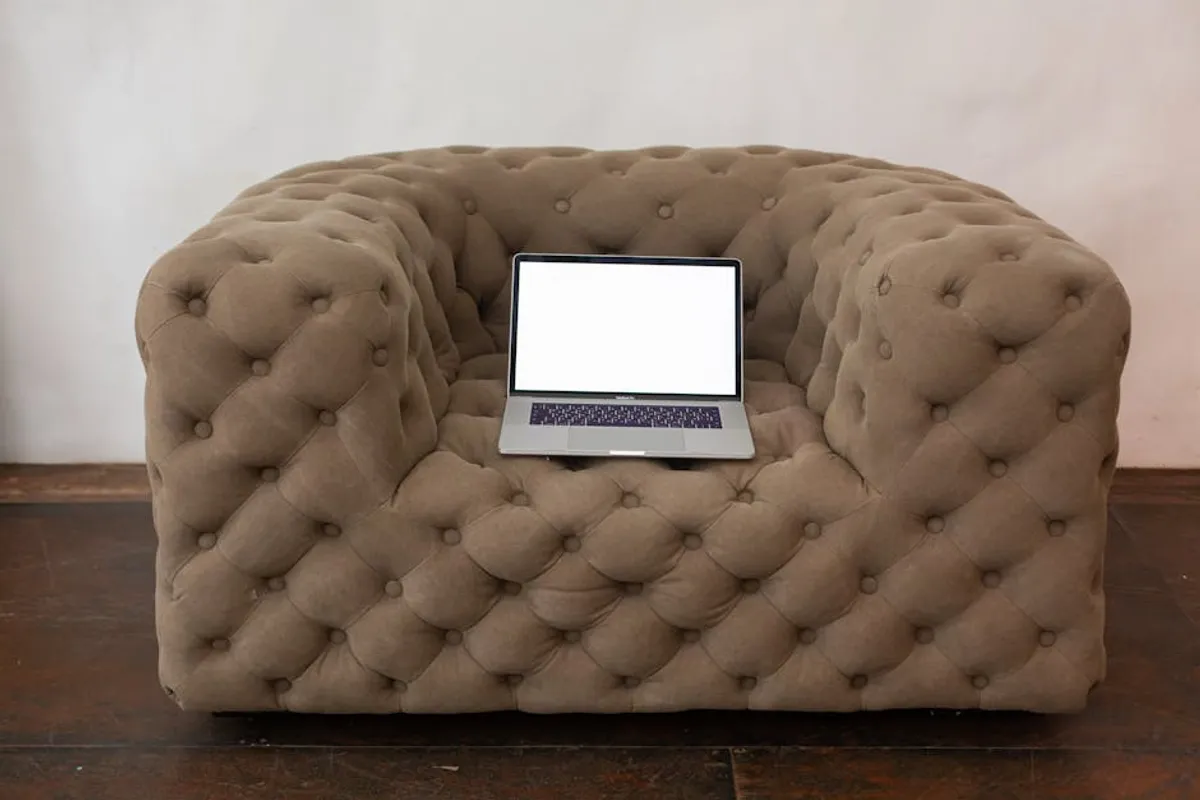
Investing in luxury furniture extends beyond mere acquisition; it represents a commitment to enduring quality, refined aesthetics, and often, a piece of design history. For those new to this segment, the array of choices, materials, and price points can appear daunting. This guide demystifies the core elements that define luxury furniture, equipping you with the knowledge to make informed decisions that align with your aesthetic vision and functional needs. This guide demystifies the core elements that define luxury furniture, equipping you with the knowledge to make informed decisions that align with your aesthetic vision and functional needs, offering a complete overview of luxury furniture.
Defining Attributes of Luxury Furniture
Luxury furniture distinguishes itself not solely by its price tag, but by a confluence of factors that contribute to its superior quality, longevity, and intrinsic value. Understanding these attributes is foundational for any beginner.
Exceptional Materials
The foundation of luxury furniture lies in its material selection. Expect to encounter a deliberate choice of premium, often rare, resources:
- Solid Hardwoods: Walnut, mahogany, teak, and rosewood are frequently used for their density, durability, and distinctive grain patterns. These are typically solid, not veneers over particleboard.
- High-Grade Leathers: Full-grain and top-grain leathers, known for their natural markings, breathability, and ability to develop a rich patina over time, are standard. These contrast sharply with corrected-grain or bonded leathers.
- Premium Fabrics: Silks, velvets, high-thread-count linens, and bespoke jacquards from renowned mills offer unique textures, durability, and intricate designs. Synthetic blends, if used, are typically high-performance and engineered for specific benefits like stain resistance or extreme durability.
- Metals and Finishes: Hand-forged iron, polished brass, bronze, and stainless steel are common, often with specialized finishes like patinas or hand-rubbed lacquers.
- Natural Stone and Glass: Marble, granite, travertine, and thick, tempered glass are selected for their inherent beauty and structural integrity.
Unrivaled Craftsmanship
True luxury furniture is a testament to skilled artistry and meticulous attention to detail. This is where pieces transcend mass production:
- Joinery: Traditional techniques such as dovetail joints, mortise and tenon, and tongue and groove are employed for superior strength and stability, avoiding reliance on nails or staples for structural integrity.
- Hand-Finishing: Multiple layers of hand-applied finishes, lacquers, and polishes create deep luster and protective surfaces that are both beautiful and durable.
- Upholstery: Eight-way hand-tied spring systems, natural fiber padding (down, horsehair), and precise pattern matching for fabrics indicate high-quality upholstery that maintains its shape and comfort over decades.
- Design Integrity: Pieces often originate from renowned designers or design houses with a clear aesthetic vision, ensuring originality and timeless appeal rather than fleeting trends.
Durability and Longevity
Luxury furniture is built to last generations. The combination of superior materials and expert craftsmanship ensures resilience against wear and tear, allowing pieces to become heirlooms rather than disposable items.
Key Considerations Before Investing
Approaching a luxury furniture purchase with a clear understanding of your needs and preferences will streamline the process and ensure satisfaction.
Understanding Your Aesthetic and Space
Before exploring options, define your personal style. Do you lean towards classical elegance, modern minimalism, or something in between? Consider how a new piece will integrate with existing decor and the overall architectural style of your home.
Pro Tip: Measure your space meticulously. Account for doorways, stairwells, and hallways to ensure delivery and placement are feasible. Use painter's tape on the floor to visualize the footprint of a potential piece in your room.
Best for: Ensuring spatial harmony and avoiding costly logistical errors.
Material Selection and Maintenance
Each material comes with specific characteristics and care requirements. For instance, full-grain leather, while exceptionally durable, will show natural imperfections and develop a unique patina. Silk fabrics offer unmatched luxury but require delicate cleaning. Hardwoods may need occasional conditioning to prevent drying.
Best for: Matching material choice to your lifestyle and willingness to maintain the piece.
Designer and Brand Heritage
Many luxury pieces carry the legacy of influential designers or storied brands. Researching these can add a layer of appreciation and ensure you are acquiring an authentic, well-regarded design. Brands with decades or centuries of history often have established reputations for quality and service.
Best for: Acquiring pieces with proven design integrity and potential for appreciating value.
Budget Allocation
Luxury furniture is an investment. Prices reflect the cost of premium materials, skilled labor, and often, exclusive design rights. Be prepared for higher price points, but also recognize the long-term value in terms of durability, timelessness, and potential resale value.
Best for: Setting realistic expectations and prioritizing purchases based on long-term goals.
Navigating the Purchase Process
The journey to acquiring luxury furniture often involves a more personalized and detailed experience than standard retail.
Where to Source Luxury Furniture
Options range from exclusive brand showrooms and high-end independent boutiques to specialized antique dealers and auction houses. Each offers a different experience and selection.
- Showrooms: Direct access to a brand's full collection, often with design consultants.
- Independent Boutiques: Curated selections, often featuring unique or emerging designers.
- Auction Houses: Opportunities to acquire rare or vintage pieces, potentially at competitive prices, though requiring expertise in authentication.
- Direct-to-Consumer (DTC) Luxury Brands: A growing segment offering high quality with potentially fewer intermediaries, but often without the in-person inspection.
Inspecting Quality in Person
Whenever possible, inspect pieces firsthand. Look for consistency in finishes, precision in joinery, smooth operation of drawers and doors, and the overall heft and stability of the item. For upholstered pieces, check seam alignment, fabric tension, and cushion resilience.
Understanding Warranties and Aftercare
Reputable luxury furniture providers offer comprehensive warranties covering materials and craftsmanship. Inquire about these, as well as recommended cleaning, maintenance, and repair services to protect your investment.
Customization Options
Many luxury brands offer extensive customization, from fabric and finish choices to bespoke dimensions. This allows you to tailor a piece precisely to your specifications, creating a truly unique item.
Caring for Your Investment
Proper care is crucial for preserving the beauty and longevity of luxury furniture. Follow manufacturer guidelines precisely. This typically involves regular dusting with soft cloths, avoiding harsh chemical cleaners, and protecting pieces from direct sunlight, extreme temperature fluctuations, and excessive humidity, which can damage wood, leather, and fabric.
Making an Informed Decision
The acquisition of luxury furniture is a considered process, not an impulse buy. Take your time to research, visit showrooms, ask detailed questions about construction and materials, and understand the care requirements. View each piece as a long-term asset that will enrich your living space for decades, rather than a temporary furnishing. By focusing on quality, craftsmanship, and timeless design, you ensure your investment brings lasting satisfaction and value.
Frequently Asked Questions
What makes luxury furniture expensive?
The cost is driven by several factors: the use of rare or exceptionally high-grade materials, labor-intensive traditional craftsmanship, original design by renowned artists, and often, limited production runs that enhance exclusivity.
How can I verify the authenticity of a luxury furniture piece?
Look for manufacturer's marks, labels, or certificates of authenticity. Research the brand's history and typical construction methods. For vintage or antique pieces, consult with reputable appraisers or specialized dealers who can identify period-appropriate materials and techniques.
Is luxury furniture a good investment?
While not all luxury furniture appreciates in monetary value, it is generally a sound investment in terms of durability, longevity, and timeless design. High-quality pieces retain their aesthetic appeal and functional integrity for many years, often becoming cherished family heirlooms, and some rare designer pieces can indeed appreciate significantly.
What is the typical lead time for custom luxury furniture?
Custom luxury furniture, especially pieces that are hand-crafted or made-to-order with specific material selections, typically requires a lead time ranging from 8 to 24 weeks, sometimes longer for highly bespoke items or international shipping. This accounts for material sourcing, meticulous construction, and finishing processes.