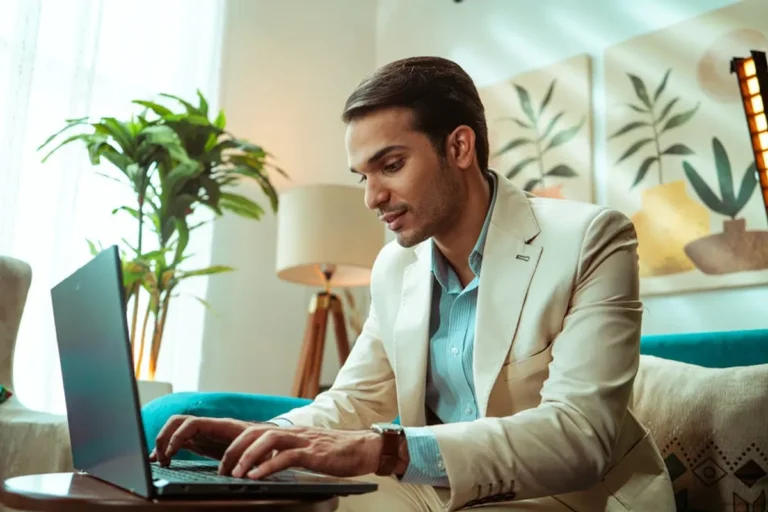
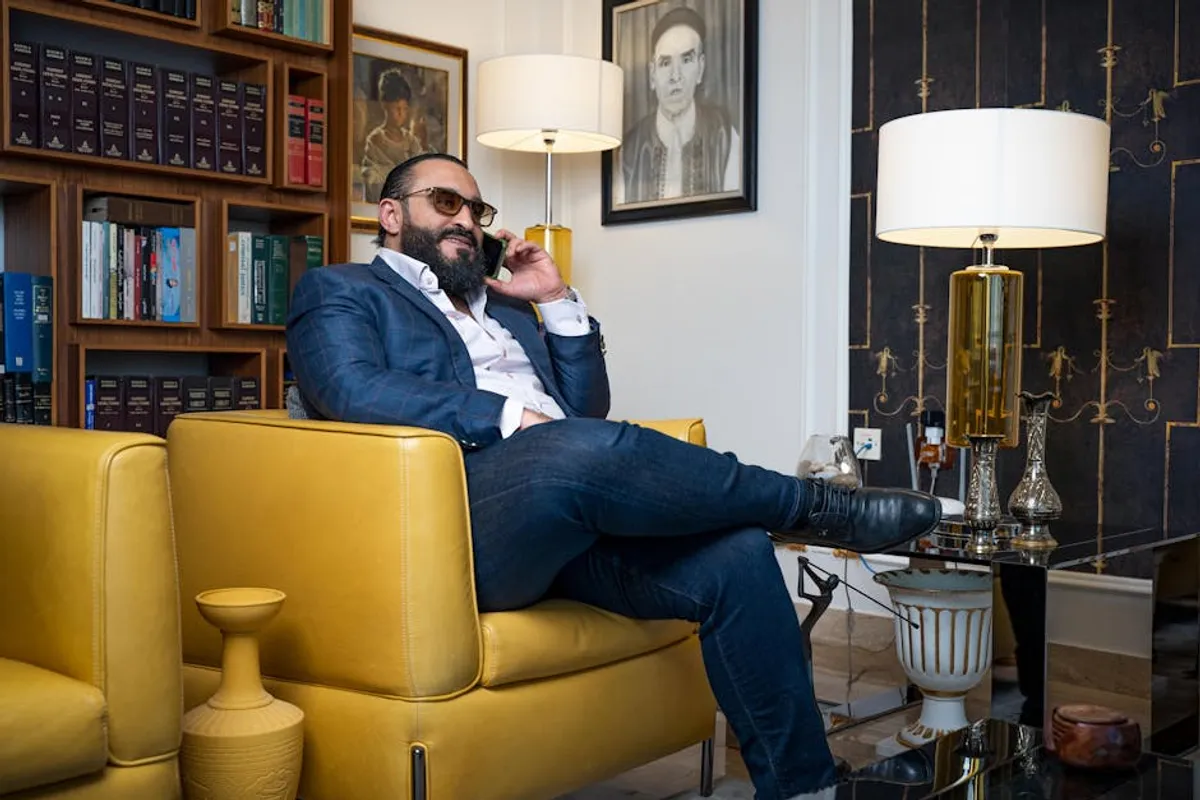
The luxury furniture market operates on distinct cycles, influenced by global economic shifts, evolving consumer values, and advancements in material science and craftsmanship. For designers, retailers, and manufacturers, identifying emerging trends is not merely about aesthetic preference; it directly impacts product development, inventory planning, marketing narratives, and ultimately, market share. Understanding these shifts allows for strategic positioning, ensuring offerings resonate with a discerning clientele that values exclusivity, provenance, and enduring quality. This article examines the critical luxury furniture trends shaping the industry, providing actionable context for businesses aiming to anticipate and capitalize on these movements.
Sustainable Luxury and Ethical Provenance
The convergence of environmental consciousness and high-end design is no longer a niche. Luxury consumers are increasingly scrutinizing the origins and ecological footprint of their purchases. This trend manifests in several key areas:
- Reclaimed and Recycled Materials: Demand for furniture crafted from salvaged wood, repurposed metals, or upcycled textiles is growing. The appeal lies in the unique character of the materials, often carrying a history, combined with a verifiable reduction in environmental impact. For instance, furniture made from ancient bog oak or salvaged industrial components offers a narrative of authenticity and rarity.
- Ethical Sourcing and Transparency: Beyond material origin, the entire supply chain is under review. Luxury buyers seek assurance that materials are sourced responsibly, labor practices are fair, and production processes minimize waste. Certifications from organizations verifying sustainable forestry (e.g., FSC) or fair trade practices are becoming significant selling points, not just add-ons.
- Longevity and Durability: A core tenet of sustainability in luxury is the investment in pieces designed to last generations. This counters the disposable culture and aligns with a desire for heirloom quality. The emphasis shifts to robust construction, repairability, and timeless aesthetics that transcend fleeting fads.
Commercial Implications for Sustainable Luxury
Businesses must integrate sustainability into their core messaging and operations. This involves transparent communication about material sourcing, manufacturing processes, and the long-term value proposition of each piece. Marketing efforts should highlight the story behind the materials and craftsmanship, emphasizing the ethical journey from raw material to finished product.
Biophilic Design and Natural Integration
The desire to connect with nature, even within urban environments, drives the biophilic design trend. In luxury furniture, this translates to organic forms, natural textures, and a harmonious blend of indoor and outdoor elements.
- Organic Shapes and Curves: A departure from rigid, geometric lines, furniture is embracing softer, more fluid contours. Sofas with rounded edges, tables with sculptural bases inspired by natural formations, and chairs mimicking the human form contribute to a sense of calm and comfort.
- Raw and Textured Materials: Polished surfaces are giving way to materials that celebrate their inherent texture. Think unlacquered brass that patinas over time, rough-hewn stone, woven natural fibers like rattan and jute, and rich, unfinished woods. These materials invite tactile engagement and introduce an element of imperfection that feels authentic.
- Earth Tones and Botanical Palettes: Color schemes are drawing inspiration from natural landscapes – deep greens, earthy browns, muted blues, and warm terracotta. These palettes create serene and grounding interiors, often complemented by actual plant life and natural light.
Pro Tip: When integrating biophilic elements, focus on authenticity. Avoid synthetic imitations of natural textures. The luxury consumer can discern genuine materials and craftsmanship, and an authentic connection to nature is paramount for this trend's success.
Customization and Bespoke Craftsmanship
In an era of mass production, true luxury lies in exclusivity and personalization. The ability to commission bespoke pieces or customize existing designs offers unparalleled value to the discerning client.
- Tailored Dimensions and Configurations: Standard sizing is often insufficient for high-end interiors. Clients seek furniture that perfectly fits their space, whether it’s an oversized sectional for a grand living room or a uniquely shaped dining table. Modular systems that can be reconfigured are also gaining traction.
- Material and Finish Selection: Beyond basic options, luxury consumers expect a wide array of choices for upholstery fabrics, wood veneers, metal finishes, and stone types. The ability to select rare leathers, specific wood grains, or custom-mixed lacquer colors elevates a piece from off-the-shelf to truly unique.
- Artisanal Collaboration: The highest level of customization often involves direct collaboration with skilled artisans. This allows for the creation of truly one-of-a-kind pieces, where the client's vision is brought to life through expert craftsmanship, often with a documented provenance of its making.
Marketing Customization
Showcasing the design process, the artisans involved, and the breadth of customization options is crucial. Visualizations, material samples, and case studies of past bespoke projects can effectively communicate the value proposition of personalized luxury.
Subtle Technology Integration
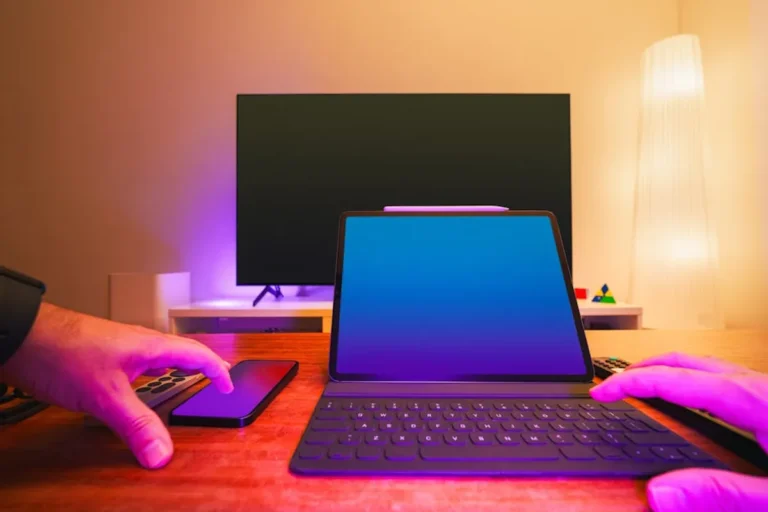
While overt gadgets can detract from luxury aesthetics, seamless and discreet technology integration is increasingly desired. The focus is on enhancing comfort, convenience, and functionality without compromising design integrity.
- Invisible Charging Solutions: Wireless charging pads integrated flush into tabletops, side tables, or armrests are preferred over visible cables and outlets.
- Smart Lighting and Climate Control: Furniture with integrated, controllable LED lighting (e.g., within shelving units or headboards) or even subtle climate control features (e.g., heated seating) adds a layer of comfort and sophistication.
- Motorized Adjustments: Power-reclining sofas and chairs, adjustable-height desks, or beds with customizable positions offer ergonomic benefits and convenience, all controlled via discreet interfaces or smart home systems.
The Challenge of Integration
The key is that technology should serve the design, not dominate it. Wires must be hidden, controls intuitive and understated, and the aesthetic integrity of the furniture maintained. This requires close collaboration between furniture designers and technology specialists.
Strategic Adaptation for Market Leadership
Navigating these luxury furniture trends requires more than just aesthetic updates; it demands a strategic re-evaluation of product lines, marketing approaches, and supply chain management. Businesses must invest in research and development to explore sustainable materials and manufacturing processes. They need to cultivate relationships with skilled artisans for bespoke offerings and explore partnerships with technology providers for seamless integration. Furthermore, the narrative surrounding luxury furniture must evolve to emphasize not just beauty and status, but also ethical responsibility, enduring value, and personalized experience. By anticipating these shifts and adapting proactively, businesses can secure a competitive edge and resonate deeply with the evolving expectations of the luxury consumer.
Frequently Asked Questions
How do luxury furniture trends differ from mass-market trends?
Luxury trends typically emphasize longevity, bespoke craftsmanship, high-quality and often rare materials, and ethical provenance, reflecting a significant investment. Mass-market trends often prioritize affordability, rapid stylistic changes, and synthetic materials, with a shorter product lifecycle.
What role does sustainability play in current luxury furniture trends?
Sustainability is a core driver. Luxury consumers increasingly demand transparency in sourcing, ethical labor practices, and the use of reclaimed, recycled, or responsibly harvested materials. The focus is on creating heirloom-quality pieces that minimize environmental impact and last for generations.
How can businesses effectively market luxury furniture trends?
Effective marketing requires storytelling that highlights craftsmanship, material provenance, design philosophy, and the unique value proposition of each piece. Emphasize the bespoke options, the artisanal process, and the long-term investment value, using high-quality visuals and compelling narratives.
Are these luxury furniture trends long-term or short-term?
The identified trends—sustainability, biophilic design, customization, and subtle tech integration—represent significant shifts in consumer values and manufacturing capabilities. They are generally considered long-term trajectories, shaping the luxury market for the foreseeable future rather than fleeting fads.