
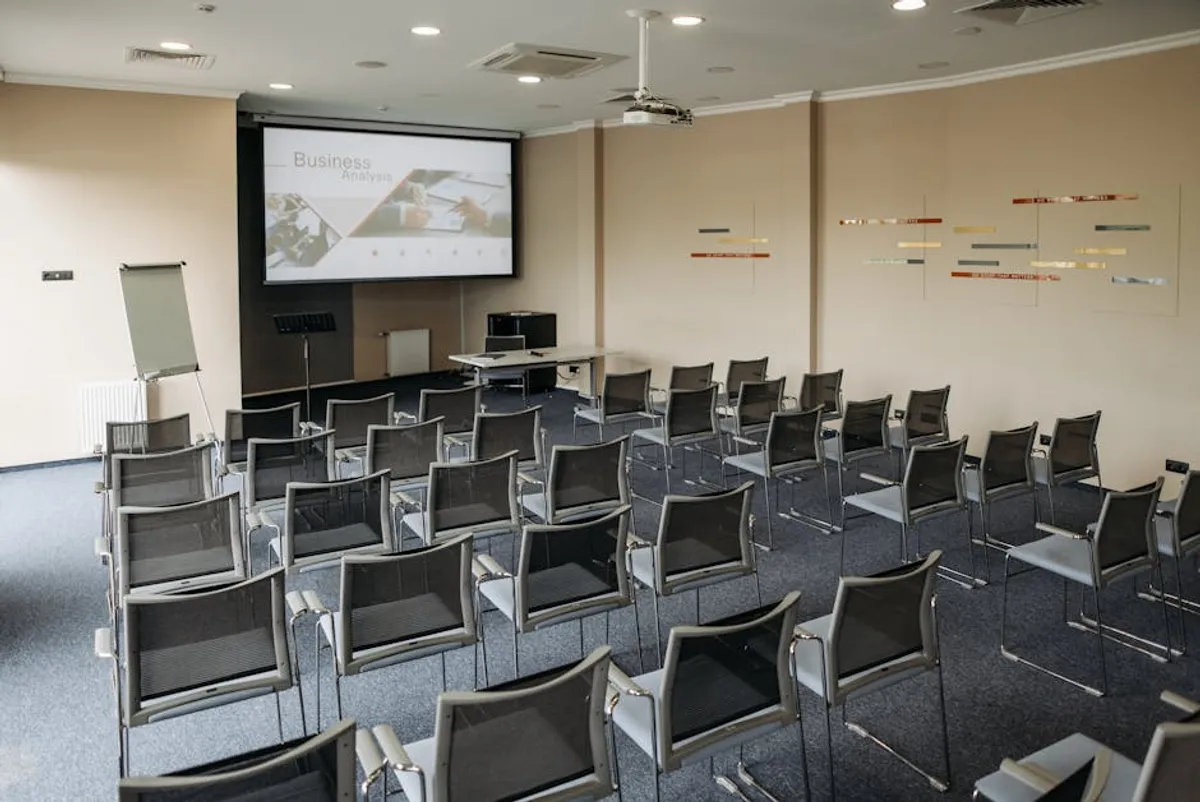
Minimalist interior design, often perceived as a purely aesthetic choice, functions as a strategic framework for creating highly functional, visually clear, and psychologically impactful spaces. For businesses and property owners, adopting a minimalist approach extends beyond mere style; it’s a deliberate decision to optimize environments for focus, efficiency, and a refined brand image. This guide explores the foundational principles and practical applications of minimalist design, positioning it as a commercially advantageous strategy for various settings, from corporate offices to retail establishments and residential properties.
Core Principles of Intentional Minimalism
True minimalist design is not about deprivation but about deliberate curation. It prioritizes essential elements, allowing each component to contribute meaningfully to the space's overall function and ambiance. Understanding these core tenets is crucial for effective implementation:
- Simplicity and Functionality: Every object, piece of furniture, and structural element should serve a clear purpose. Unnecessary embellishments are removed, emphasizing utility and ease of use.
- Clean Lines and Forms: Preference is given to geometric shapes, straight lines, and smooth surfaces. This creates a sense of order and calm, reducing visual clutter.
- Neutral Color Palettes: Whites, grays, beiges, and muted earth tones form the foundation, promoting a serene and expansive feel. These palettes also allow key architectural features or select accent pieces to stand out without competing.
- Emphasis on Light and Space: Natural light is maximized through uncluttered windows and open layouts. Strategic artificial lighting enhances functionality and mood, ensuring spaces feel bright and inviting, not stark.
- Thoughtful Material Selection: Quality over quantity dictates material choices. Natural textures like wood, stone, linen, and wool are favored for their tactile appeal and durability, adding warmth and depth without visual complexity.
Implementing Minimalist Design in Commercial Environments
Applying minimalist principles in commercial settings can significantly enhance operational efficiency, employee well-being, and client perception.
Office and Workspace Optimization
In office environments, minimalist design fosters productivity by reducing visual distractions. Clean desks, integrated storage solutions, and uncluttered common areas promote focus and a sense of calm. Strategic use of natural light and ergonomic, simple furniture improves employee comfort and reduces stress. For client-facing areas, a minimalist aesthetic communicates professionalism, order, and forward-thinking efficiency, reinforcing brand credibility.
Retail and Hospitality Applications
For retail, minimalism directs customer attention to products. A clean, spacious layout highlights merchandise, making it the focal point rather than competing with elaborate decor. This approach can elevate product perception, suggesting exclusivity and quality. In hospitality, such as hotels or restaurants, minimalist design cultivates an atmosphere of tranquility and refined luxury. Guests experience a sense of calm and order, enhancing their overall experience and perception of service excellence.
Pro Tip: While the goal is simplicity, avoid creating sterile or uninviting spaces. Introduce warmth through varied textures, subtle patterns, and carefully chosen natural elements like plants. The human element is critical; a minimalist space should still feel livable and welcoming, not empty.
Key Elements and Their Strategic Deployment
Achieving a cohesive minimalist design requires deliberate choices across several categories:
Decluttering and Intentional Storage
This is the foundational step. Every item must have a designated place or be removed. Integrated storage solutions—built-in shelves, hidden cabinets, multi-functional furniture with storage—are essential. This prevents visual noise and supports a clean, organized environment, which is crucial for both aesthetic appeal and operational flow.
Furniture Selection and Placement
Opt for pieces with clean lines, simple forms, and durable materials. Multi-functional furniture, like an ottoman that doubles as storage or a console that serves as a desk, maximizes utility in smaller footprints. Strategic placement ensures open pathways and emphasizes the feeling of spaciousness, avoiding overcrowded arrangements.
Lighting Strategies
Maximize natural light by keeping windows unobstructed. Supplement with layered artificial lighting: ambient lighting for overall illumination, task lighting for specific activities (e.g., desk lamps, under-cabinet lights), and accent lighting to highlight architectural features or art. Dimmers allow for flexible mood control, adapting the space to different times of day or functions.
Color, Texture, and Materiality
Stick to a primary neutral palette, introducing depth through varying shades and textures. For example, a white room can feel rich with the addition of a chunky knit throw, a wooden coffee table, and a textured rug. These elements add visual interest and warmth without introducing new colors, maintaining the minimalist aesthetic.
Curated Art and Decor
In minimalist design, art and decor are not afterthoughts but carefully selected focal points. A single, impactful piece of art, a sculptural vase, or a well-placed plant can provide visual interest and personality without overwhelming the space. The key is restraint and intentionality, ensuring each decorative item contributes to the overall narrative.
Strategic Integration for Business Impact
Embracing a minimalist interior design strategy offers tangible benefits that extend beyond visual appeal. It contributes to a brand's identity by projecting modernity, clarity, and sophistication. Operationally, it simplifies maintenance, reduces long-term furnishing costs due to an emphasis on quality and timelessness, and can positively influence employee morale and client perception. By focusing on essentialism, businesses can create environments that are not only aesthetically pleasing but also highly functional, cost-effective, and conducive to their overarching goals.
Frequently Asked Questions
What are the core tenets of minimalist interior design?
The core tenets include simplicity, functionality, clean lines, neutral color palettes, maximization of light and space, and thoughtful material selection, all aimed at creating uncluttered and purposeful environments.
Can minimalist design be warm and inviting?
Absolutely. Warmth in minimalist design is achieved through the strategic use of natural textures (wood, wool, linen), subtle variations in neutral tones, layered lighting, and the careful inclusion of organic elements like plants, preventing the space from feeling sterile.
Is minimalist design suitable for all types of businesses?
While particularly effective in offices, retail, and hospitality, minimalist design principles can be adapted to nearly any business. Its focus on clarity, organization, and functionality provides a strong foundation for creating efficient and appealing spaces, regardless of industry.
How does minimalist design influence client perception?
Minimalist design often communicates professionalism, trustworthiness, and a forward-thinking approach. Clients perceive such spaces as organized, efficient, and sophisticated, which can enhance brand reputation and foster a sense of confidence in the business.