The 2000s men's streetwear aesthetic, once relegated to nostalgia, has undeniably re-entered the fashion conversation. This comeback isn't a mere revival; it's a reinterpretation, driven by a cyclical trend economy and a new generation's appreciation for distinct silhouettes and bold branding. For those looking to integrate this era's definitive styles, the challenge lies in distinguishing authentic influence from costume, and adapting oversized proportions for a contemporary fit. This guide provides a framework for understanding the core components of Y2K streetwear, identifying key pieces, and strategically incorporating them into a modern wardrobe without sacrificing current relevance.
Understanding the Y2K Streetwear Foundation
The turn of the millennium marked a significant shift in menswear, moving away from the minimalist trends of the late 90s towards a more expressive, comfort-driven, and often logo-heavy approach. This era's streetwear was heavily influenced by hip-hop culture, skate scenes, and burgeoning celebrity endorsements, creating a distinct visual language.
Key Silhouettes and Proportions
The defining characteristic of 2000s streetwear was its emphasis on volume. Baggy was paramount, from wide-leg denim to oversized tracksuits. This wasn't about sloppy dressing, but a deliberate statement of comfort and nonchalance. Tops were often loose-fitting, extending past the waist, while bottoms featured generous cuts through the thigh and leg opening. This relaxed fit allowed for freedom of movement, aligning with the active lifestyles often associated with the culture.
Dominant Materials and Textures
Fabric choices reflected both practicality and a desire for visual impact. Denim, particularly in distressed or faded washes, was a staple. Velour tracksuits offered a luxurious yet casual feel, popularized by artists and athletes. Nylon and polyester blends were common for athletic wear and outerwear, providing durability and a distinct sheen. Cotton jersey, used for graphic tees and hoodies, provided a comfortable base for bold prints and embroidery.
Essential Garments for a 2000s Streetwear Look
Building a Y2K-inspired wardrobe requires identifying the foundational pieces that defined the era. These items, when chosen and styled thoughtfully, form the backbone of an authentic comeback aesthetic.
Bottoms: Baggy and Bold
The cornerstone of 2000s streetwear bottoms was volume.
- Baggy Jeans: Opt for wide-leg or relaxed-fit denim, often with a slight stack at the ankle. Distressed details, faded washes, or subtle embellishments like embroidery were common. Avoid skinny or slim-fit styles, as they directly contradict the era's ethos.
- Cargo Pants: Functional and utilitarian, cargo pants with multiple pockets were a practical alternative to denim. Look for styles in neutral tones like olive green, khaki, or black, often in durable cotton twill. The key is a relaxed fit, not an overly tailored or tapered silhouette.
- Track Pants: Velour or nylon track pants, often part of a matching set, offered athletic comfort. Side stripes, prominent branding, and a straight-leg or slightly flared cut were characteristic.
Tops: Graphic Statements and Athletic Comfort
Tops served as a canvas for self-expression and brand allegiance.
- Graphic T-Shirts: Over-the-top graphics, oversized logos, band tees, and intricate airbrush designs were ubiquitous. Brands often featured their names prominently. Choose tees with a relaxed fit that drapes rather than clings.
- Hoodies and Sweatshirts: Essential for layering and comfort, hoodies were often oversized and featured prominent branding, often embroidered or appliquéd. Zip-up styles were particularly popular, offering versatility.
- Jersey Tops: Think basketball or football jerseys, worn not just for sport but as everyday fashion statements, often layered over long-sleeve tees.
Outerwear: Functional and Flashy
Outerwear in the 2000s balanced practicality with visual flair.
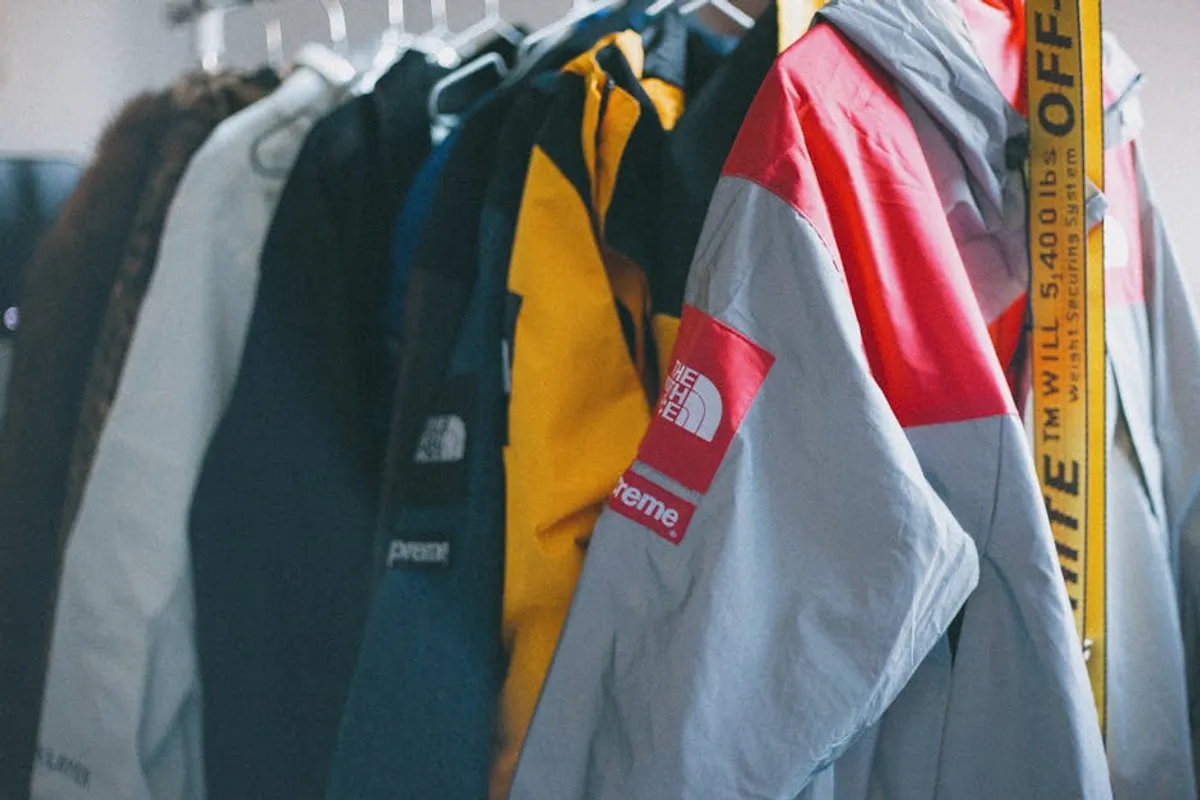
- Puffer Jackets: Bulky and often brightly colored, puffer jackets provided warmth with a distinct street edge. Brands like North Face or Tommy Hilfiger were prominent.
- Varsity Jackets: A nod to collegiate style, varsity jackets with leather sleeves and wool bodies, often adorned with patches and embroidery, offered a classic yet bold statement.
- Windbreakers: Lightweight nylon windbreakers, often in vibrant color blocks, were popular for their athletic appeal and casual utility.
The Crucial Role of Footwear and Accessories
No 2000s streetwear look is complete without the right sneakers and complementary accessories. These elements often provided the final punctuation mark to an outfit.
Iconic Sneaker Choices
Sneakers were central to the 2000s aesthetic, often dictating the overall vibe.
Best for: Everyday wear and foundational style.
Chunky silhouettes dominated, with models like the Nike Air Force 1, Nike Dunks, Adidas Superstars, and Reebok Classics being perennial favorites. White-on-white Air Force 1s were particularly iconic, serving as a versatile base for countless outfits. Look for sneakers with a substantial profile and clean lines, avoiding overly minimalist or futuristic designs.
Pro Tip: When selecting 2000s-inspired sneakers, prioritize models that have maintained cultural relevance or have seen recent retro releases. This ensures authenticity while leveraging modern manufacturing quality. Overly worn or poorly maintained footwear can instantly date an otherwise well-curated outfit.
Statement Accessories
Accessories were often bold and served to personalize a look.
- Headwear: Fitted baseball caps (often New Era), bandanas, and knit beanies were common. Logos and team affiliations were frequently displayed.
- Jewelry: Chunky chains, often silver or white gold, dog tag necklaces, and oversized stud earrings were popular. The "bling" factor was a key element.
- Eyewear: Rimless sunglasses or those with colored lenses (especially tinted) were prevalent, adding a touch of celebrity-inspired cool.
- Belts: Wide belts with large, often branded or embellished buckles, were frequently worn, sometimes with jeans riding low to expose the buckle.
Integrating 2000s Style into a Modern Wardrobe
The key to a successful 2000s streetwear comeback is thoughtful integration, not a full costume. The goal is to evoke the era's spirit while maintaining a contemporary edge.
The "One Piece" Approach
Instead of going head-to-toe, select one or two strong Y2K-inspired pieces and build the rest of your outfit around them with modern staples. For example, pair baggy cargo pants with a subtly branded, well-fitting tee and contemporary sneakers. Or, wear a vintage graphic tee with slim-fit jeans and a modern utility jacket. This approach prevents overwhelming the look and ensures versatility.
Mastering Fit and Balance
While the 2000s embraced bagginess, a modern interpretation often involves a slightly more refined looseness. A wide-leg jean can still be tailored to a precise length to avoid excessive stacking. An oversized hoodie can be balanced with more fitted bottoms. Understanding your body shape and how different proportions interact is crucial for avoiding a dated appearance.
Curating Brand Influence
Brands like Sean John, Rocawear, FUBU, and Ecko Unltd. defined the era. While some have seen revivals, others remain distinctly vintage. Modern brands often draw inspiration from these aesthetics. Focus on pieces that capture the essence—bold graphics, comfortable fits, quality materials—rather than strictly adhering to original labels. Nike, Adidas, and Reebok continue to offer retro-inspired footwear and apparel that align perfectly with the Y2K vibe.
Revitalizing Your Wardrobe with Y2K Elements
Embracing the 2000s streetwear comeback involves a strategic blend of nostalgia and contemporary styling. Focus on core silhouettes, iconic footwear, and statement accessories. By carefully selecting key pieces and balancing them with your existing wardrobe, you can achieve an authentic, relevant look that pays homage to a pivotal era in men's fashion.
Frequently Asked Questions
What defines 2000s men's streetwear?
It's characterized by oversized, baggy silhouettes, prominent branding, graphic tees, chunky sneakers, and a strong influence from hip-hop and skate culture. Comfort and bold expression were key.
How can I wear baggy jeans without looking dated?
Pair them with a more fitted or contemporary top, ensure the length is appropriate to avoid excessive pooling, and choose modern sneakers. Focus on a clean wash and minimal distressing for a refined take.
Are tracksuits still relevant in 2000s streetwear?
Yes, matching tracksuits, especially in velour or classic nylon, are making a strong comeback. Opt for sets with subtle branding and ensure a relaxed but not sloppy fit for a modern interpretation.
What are the essential accessories for a 2000s streetwear look?
Key accessories include fitted baseball caps, bucket hats, chunky silver chains, dog tag necklaces, and rimless or tinted sunglasses. These items add personality and complete the era's distinct aesthetic.