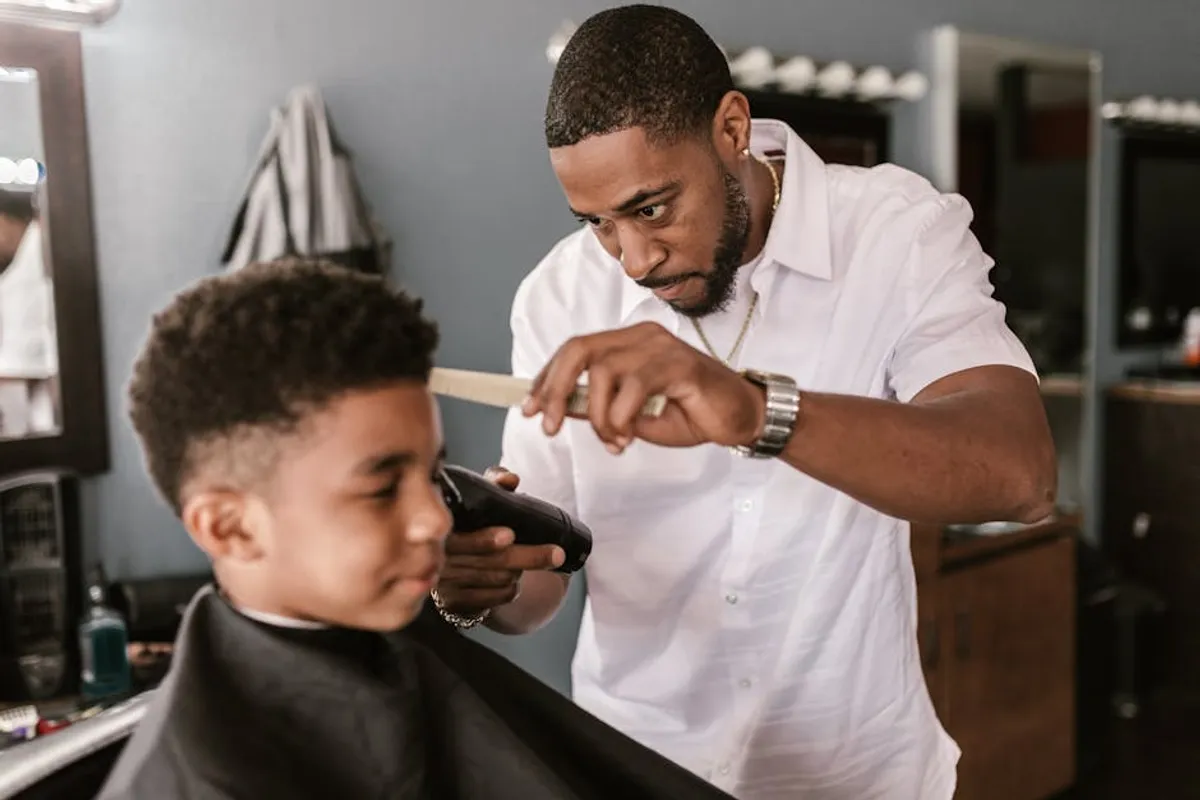
Selecting the right haircut for boys and teens involves balancing current trends with practical considerations such as hair type, maintenance requirements, and individual lifestyle. The ideal style not only looks good but also suits the child's daily routine and personal comfort. For 2025, popular choices emphasize versatility, texture, and clean lines, offering options that range from low-maintenance to more styled looks. This guide outlines 12 prominent haircut styles, detailing their characteristics, suitability, and practical implications to help parents and teens make informed decisions.
Choosing the Right Haircut for Boys and Teens
Before committing to a specific style, consider several factors to ensure the haircut aligns with the individual's needs and preferences. Hair type—whether thick, thin, straight, wavy, or curly—significantly impacts how a style will look and hold. Maintenance is another critical aspect; some styles require daily styling products and effort, while others are wash-and-go. Lifestyle, including participation in sports or school dress codes, can also dictate practical limits. Finally, open communication with the child about their preferences is crucial, as their comfort and confidence in the chosen style are paramount.
1. The Textured Crop
The Textured Crop remains a dominant style for its contemporary appeal and adaptability. Characterized by shorter sides and back, often with a fade, and a slightly longer top that is cut to emphasize natural texture, this style offers a rugged yet refined look. The top hair is typically styled forward or slightly to the side, creating a disheveled but intentional finish. It's a versatile cut that works well across various hair types, particularly those with some natural wave or thickness.
Best For: Boys and teens seeking a modern, stylish cut that is relatively easy to maintain. It suits most face shapes and is excellent for active lifestyles due to its shorter length.
Pros:
- Requires minimal styling effort with the right product.
- Maintains a clean appearance with faded sides.
- Accommodates various hair textures, enhancing natural volume.
- Trendy and age-appropriate for a wide range of ages.
Cons:
- Regular trims (every 3-4 weeks) are necessary to maintain the fade and shape.
- Can appear too short or severe on certain face shapes without proper consultation.
- May require specific texturizing products for optimal look.
Verdict: A reliable, fashionable choice for 2025, offering a balance of style and practicality, especially for those who prefer a neat yet contemporary aesthetic.
2. The French Crop
Distinct from the Textured Crop by its more defined, blunt fringe across the forehead, the French Crop offers a sharper, more angular aesthetic. The sides and back are typically faded or tapered short, creating a strong contrast with the longer top. The fringe can be styled straight or slightly textured, providing a clean and deliberate line. This cut is particularly effective for accentuating facial features and providing a sophisticated edge.
Best For: Boys and teens with straight or slightly wavy hair who prefer a clean, sharp look. It's suitable for various occasions, from school to more formal events.
Pros:
- Provides a distinct, fashionable silhouette.
- Fringe can help mask a larger forehead or provide structure.
- Generally low maintenance for styling once cut correctly.
- Offers a polished and intentional appearance.
Cons:
- Requires precise cutting to achieve the characteristic blunt fringe.
- Less forgiving on very curly or unruly hair.
- Regular trims are essential to maintain the crisp lines of the fringe and fade.
Verdict: An excellent option for those who favor a structured, neat haircut with a contemporary flair, demanding a skilled barber for execution.
3. The Modern Quiff
The Modern Quiff elevates the classic quiff with a more relaxed, often textured finish, moving away from overly slicked or rigid styles. It features longer hair on top, swept upwards and backward from the forehead, creating volume and height. The sides and back can vary from short fades to slightly longer tapers, allowing for a personalized approach. The key is controlled volume and movement, giving it a dynamic yet refined appearance.
Best For: Teens and older boys who want a stylish, versatile look that can be dressed up or down. Ideal for medium to thick hair that can hold volume.
Pros:
- Offers significant styling versatility for different occasions.
- Adds height and can elongate the face, suitable for rounder face shapes.
- Projects a confident and sophisticated image.
- Can be adapted with varying side lengths and top textures.
Cons:
- Requires daily styling with product (pomade, wax, or spray) to maintain volume and shape.
- Longer top may get unruly without proper care.
- Needs regular trims to keep the proportions balanced.
Verdict: A perennially popular choice that offers a blend of classic elegance and modern casualness, provided the wearer is willing to commit to daily styling.
4. The Slick Back Fade
The Slick Back Fade combines the timeless appeal of slicked-back hair with the sharp, clean lines of a modern fade. The top hair is kept long enough to be combed back smoothly, while the sides and back are progressively shortened, often down to the skin at the nape. This contrast creates a striking and sophisticated look that is both classic and contemporary. The degree of slickness can be adjusted with product choice, from high-shine to a more natural, matte finish.
Best For: Teens and young adults aiming for a polished, mature aesthetic. Best suited for straight or slightly wavy hair that can be easily combed back.
Pros:
- Exudes a sense of maturity and professionalism.
- The fade keeps the sides and back neat and low-maintenance.
- Offers a clean silhouette that highlights facial features.
- Can be adapted for various levels of formality.
Cons:
- Requires daily styling with strong-hold products to maintain the slicked-back shape.
- May not suit very fine or thin hair that struggles to hold volume.
- Regular barber visits are essential to keep the fade sharp.
Verdict: A powerful statement haircut for those who appreciate a sharp, well-groomed appearance and are prepared for daily styling commitment.
5. The Side Part (Modern)
The Modern Side Part takes the traditional side part and updates it with contemporary elements, often incorporating a subtle fade on the sides and a more natural, less rigid part line. The top hair is typically longer on one side, allowing it to sweep over to the other, creating a clean, asymmetric look. Unlike its vintage counterpart, the modern version often features more texture and movement rather than being completely slicked down, offering a softer yet still refined appearance.
Best For: Boys and teens who prefer a classic look with a contemporary twist. It’s versatile for various hair types and can be adapted for both casual and formal settings.
Pros:
- Timeless appeal that remains consistently fashionable.
- Easy to style with minimal product for a natural finish.
- Offers a neat and tidy appearance suitable for school or events.
- Can be adjusted to suit different face shapes by varying the part line and volume.
Cons:
- May appear too formal or traditional for some younger boys.
- Requires consistent parting to train the hair over time.
- Less dramatic than some other trendy cuts, potentially perceived as less "exciting."
Verdict: A reliable and sophisticated choice that provides a neat, well-groomed look without excessive effort, appealing to those who value understated style.
6. The Messy Fringe
The Messy Fringe style embraces natural texture and movement, featuring longer hair on top that falls forward over the forehead, often with a slightly disheveled or choppy finish. The sides and back are typically kept shorter, often with a taper or a soft fade, to provide contrast and structure without being overly severe. This cut celebrates a youthful, carefree aesthetic while still looking intentional and stylish.
Best For: Younger boys and teens with wavy or thick hair who prefer a relaxed, low-maintenance style. Ideal for those who want to avoid a rigid or overly styled look.
Pros:
- Emphasizes natural hair texture and movement.
- Requires minimal styling, often just a quick tousle.
- Offers a youthful and approachable appearance.
- Can help conceal a larger forehead or balance facial features.
Cons:
- May require more frequent trims to keep the fringe from becoming too long or unmanageable.
- Can look unkempt if the hair isn't naturally suited to the style.
- Less formal than other styles, potentially not suitable for strict dress codes.
Verdict: A great option for those seeking a stylish yet effortless look that works with the hair's natural tendencies, particularly effective for medium to thick hair.
7. The Disconnected Undercut
The Disconnected Undercut is defined by a stark contrast between very short, often shaved or faded, sides and back, and significantly longer hair on top. The "disconnected" aspect means there's no gradual blend between the two lengths; the top hair simply falls over the shorter sides or is styled to emphasize the sharp break. This creates a bold, edgy look that draws attention to the top section of hair, which can be styled in various ways—swept back, to the side, or left textured.
Best For: Teens and young adults who want a bold, high-contrast, and fashion-forward haircut. It works well with thick, straight, or wavy hair.
Pros:
- Makes a strong style statement with its dramatic contrast.
- Versatile top section allows for different styling options.
- Keeps the sides and back very neat and cool.
- Can make fine hair appear thicker on top due to the stark contrast.
Cons:
- Requires confidence to pull off due to its striking nature.
- Needs regular barber visits to maintain the sharp disconnection and short sides.
- The top section may require significant styling effort.
Verdict: A daring and impactful choice for those looking to stand out, offering a modern, edgy aesthetic that demands attention and regular upkeep.
8. The Faux Hawk
The Faux Hawk offers a less extreme version of a traditional Mohawk, creating a central ridge of hair that rises slightly higher than the sides without fully shaving them. The sides are typically cut shorter with a fade or a taper, blending into the longer top. The top hair is then styled upwards and towards the center, forming a subtle peak. This style provides an adventurous, edgy look that remains acceptable in most environments due to its less severe nature.
Best For: Boys and teens who want an edgy, rebellious look without the commitment of a full Mohawk. Suitable for various hair types, especially those with some natural lift.
Pros:
- Offers a playful and energetic appearance.
- Less commitment than a full Mohawk, making it more versatile.
- Can be styled to varying degrees of height and definition.
- Youthful and modern, appealing to a younger demographic.
Cons:
- Requires daily styling with product to achieve the desired shape.
- May not be suitable for very fine or thin hair that struggles to hold volume.
- Needs regular trims to maintain the faded sides and top length.
Verdict: A fun and dynamic haircut for those seeking a touch of rebellion tempered with practicality, providing a stylish edge without being overly radical.
9. The Buzz Cut with Fade
The Buzz Cut with Fade takes the ultra-short buzz cut and elevates it with a gradual transition in length on the sides and back. Instead of a uniform length all over, the hair starts very short at the bottom and progressively gets longer towards the top, creating a clean, blended effect. This style is characterized by its extreme practicality and minimalist aesthetic, highlighting facial features and providing maximum comfort.
Best For: Boys and teens who prioritize low maintenance, comfort, and a clean, athletic look. Excellent for active individuals or those with very thick or unruly hair.
Pros:
- Extremely low maintenance; virtually no styling required.
- Ideal for hot climates or active lifestyles.
- Provides a crisp, clean, and masculine appearance.
- Can help disguise thinning hair or receding hairlines effectively.
Cons:
- Offers minimal styling versatility.
- Requires frequent touch-ups (every 1-2 weeks) to maintain the fade.
- May not suit all face shapes, as it leaves little room for contouring.
Verdict: The ultimate in practicality and neatness, this style is perfect for those who want a sharp, no-fuss haircut that emphasizes facial structure and ease of care.
10. The Curly Top Fade
The Curly Top Fade celebrates natural curls by keeping them longer and voluminous on top, while the sides and back are cut short with a fade. This contrast allows the curls to be the focal point, showcasing their texture and bounce. The fade provides a clean frame for the curls, preventing the overall look from appearing unruly and adding a modern, defined edge. Styling often involves enhancing curl definition with appropriate products.
Best For: Boys and teens with naturally curly or coily hair who want to embrace their texture while maintaining a clean, contemporary silhouette.
Pros:
- Highlights and celebrates natural curl patterns.
- Offers a stylish and energetic look with minimal daily styling for the top.
- The fade keeps the sides and back tidy and cool.
- Provides significant volume and texture.
Cons:
- Requires specific curl-enhancing products to prevent frizz and define curls.
- Can be challenging to maintain uniform curl patterns without proper care.
- Needs regular trims to keep the fade sharp and the top at an optimal length.
Verdict: An excellent choice for curly-haired individuals who want a modern, vibrant look that manages their natural texture with style and precision.
11. The Shag/Flow
The Shag, or "Flow" haircut for boys, emphasizes longer, layered hair that has natural movement and a relaxed, effortless appearance. This style typically features hair that reaches the ears or shoulders, with strategic layering to reduce bulk and encourage natural waves or texture. It's a departure from shorter, structured cuts, offering a more bohemian or surfer-inspired vibe that conveys a sense of freedom and individuality.
Best For: Teens with medium to thick hair, especially those with natural waves or slight curls, who prefer a longer, more relaxed aesthetic and minimal styling.
Pros:
- Embraces natural hair texture and length.
- Requires very little daily styling; often just air-drying or a light product.
- Offers a cool, artistic, and individualistic appearance.
- Can be very comfortable and low-maintenance in terms of daily effort.
Cons:
- May not be suitable for very fine or thin hair, which can look stringy.
- Requires patience to grow out to the desired length.
- Can be perceived as less "neat" than shorter, structured cuts.
- May not align with strict school or sports regulations.
Verdict: A strong choice for those who prefer a natural, longer look that exudes a relaxed confidence, best suited for hair with inherent body and texture.
12. The Modern Bowl Cut
The Modern Bowl Cut reinterprets the classic, often maligned, bowl cut with contemporary precision and texture. Instead of a blunt, uniform cut, this version features softer edges, often with some layering or texturizing on the top and a slight fade or taper on the sides and back. The fringe remains a key element, but it's typically softer, more textured, and less severe than its predecessor, creating a stylish, retro-inspired yet current look.
Best For: Younger boys and adventurous teens looking for a unique, fashion-forward style that draws inspiration from retro trends but is updated for modern sensibilities. Best for straight or slightly wavy hair.
Pros:
- Offers a distinctive and memorable aesthetic.
- Can frame the face effectively and highlight features.
- Relatively low styling effort once cut correctly.
- A fresh take on a classic, making it feel new and exciting.
Cons:
- Requires a skilled barber to execute the modern interpretation correctly.
- May not suit all face shapes, potentially accentuating roundness.
- Can be perceived as childish if not styled or cut with modern elements.
- Needs regular trims to maintain the specific shape and fringe length.
Verdict: A surprisingly chic option for those willing to experiment, offering a playful yet polished look that stands out from more common styles when executed with precision.
Selecting the Optimal Style for Your Child
Choosing the best haircut goes beyond simply liking a picture. Consider the child's hair type: straight hair holds sharp lines well, while wavy or curly hair thrives with styles that embrace its natural texture. Maintenance is another key factor; a highly styled quiff requires daily product application and effort, whereas a textured crop or buzz cut demands minimal intervention. Evaluate their lifestyle—an active child might benefit from shorter, sweat-resistant styles, while school regulations could influence length and styling choices. Ultimately, open dialogue with the child about their comfort and preferences, combined with a professional stylist's advice, will lead to the most satisfying outcome. Remember that hair grows, allowing for experimentation and adaptation over time.
Frequently Asked Questions About Boys' Haircuts
How often should boys get haircuts?
The frequency depends heavily on the chosen style and how quickly the hair grows. Fades and very short cuts typically require trims every 2-4 weeks to maintain their sharpness. Longer styles, like the Shag/Flow, might only need shaping every 6-8 weeks. Regular trims are crucial for maintaining the intended shape and preventing hair from looking unkempt.
What products are best for styling boys' hair?
Product choice is dictated by the desired look and hair type. For volume and hold in styles like the Modern Quiff or Faux Hawk, a matte pomade, styling cream, or wax works well. For textured looks, sea salt spray or texturizing powder can enhance natural waves. Curly hair benefits from curl-defining creams or leave-in conditioners to reduce frizz. Always opt for products that suit the child's hair type and the specific style's requirements.
Are fades still popular for 2025?
Yes, fades remain a highly popular and versatile element in boys' and teens' haircuts for 2025. They provide a clean, modern foundation for a wide range of styles, from textured crops to curly tops. The specific type of fade—low, mid, high, skin, or taper—can be adjusted to suit individual preferences and head shapes, ensuring their continued relevance.
How can I encourage my child to try a new haircut?
Involve them in the decision-making process. Show them pictures of different styles, explaining the pros and cons of each in terms of maintenance and how it might look on their hair type. Emphasize that hair grows back, reducing the pressure of a permanent choice. A positive and collaborative approach often yields better results than imposing a style.