Navigating the landscape of interior design trends is less about fleeting fads and more about understanding the evolving preferences of consumers and the commercial opportunities they present. For designers, manufacturers, retailers, and marketers, a strategic approach to trends provides a roadmap for product development, inventory management, and effective communication. It’s about discerning which shifts represent fundamental changes in lifestyle and values, and which are momentary aesthetic diversions. The goal is to leverage these insights to create spaces and products that resonate with current demands while maintaining a timeless appeal.
Decoding the Interior Design Trend Cycle
Interior design trends do not emerge in a vacuum; they are influenced by broader societal shifts, technological advancements, economic conditions, and global events. Recognizing the lifecycle of a trend—from its inception among avant-garde designers to its mainstream adoption and eventual saturation—is crucial for commercial timing. Recognizing the lifecycle of a trend—from its inception among avant-garde designers to its mainstream adoption and eventual saturation—is crucial for commercial timing and understanding how trends evolve.
Macro vs. Micro Trends
Macro trends represent long-term shifts, often spanning five to ten years or more, reflecting fundamental changes in how people live, work, and interact with their environments. Examples include the increasing demand for sustainable materials, the rise of home offices, or the integration of smart home technology. These are foundational and impact product categories broadly.
Micro trends are shorter-lived, typically lasting one to three years, and often manifest as specific stylistic elements, color palettes, or material applications. Think of a particular shade of green dominating upholstery, or a specific furniture leg style. While micro trends can drive immediate sales, they require careful integration to avoid rapid obsolescence.
The Role of Influencers and Media
Trend dissemination is accelerated by design publications, social media platforms, and industry events. Key influencers, from interior designers with large followings to architects and thought leaders, play a significant role in popularizing emerging aesthetics. Monitoring these channels provides early indicators of shifts in consumer interest and adoption rates. Trade shows and design weeks act as critical forecasting hubs, showcasing innovations that will often trickle down to mainstream retail within months.
Key Trend Categories for Strategic Insight
To effectively analyze and apply trends, it's beneficial to break them down into actionable categories. This allows for a more granular understanding of their impact on specific product lines or design services.
Materiality and Finish Innovations
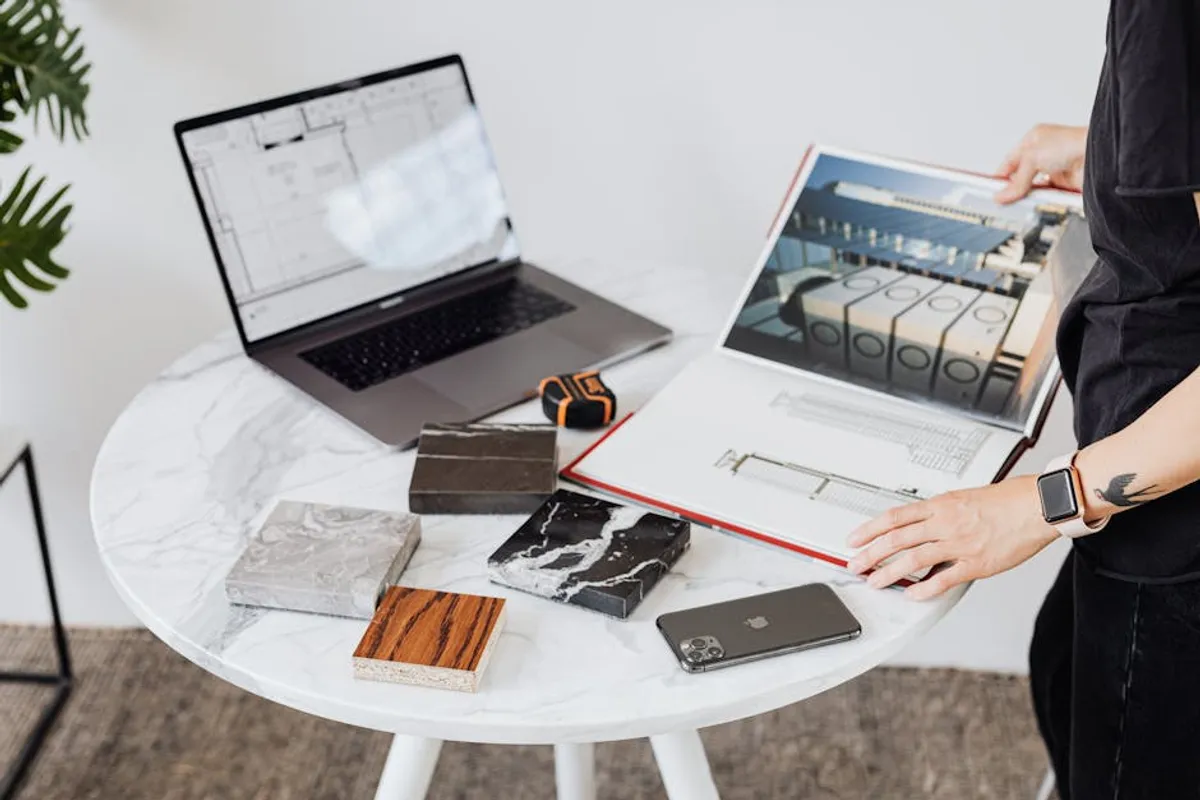
Focus on new developments in surfaces, textures, and finishes. This includes the increasing popularity of natural, tactile materials like raw wood, unpolished stone, and textural fabrics such as bouclé or linen. Advances in sustainable materials, like recycled composites or bio-based plastics, also fall into this category. Understanding these shifts helps manufacturers prioritize R&D and sourcing, while retailers can curate collections that highlight these material stories.
Evolving Color Palettes
Color trends are often seasonal but can also reflect longer-term psychological and cultural influences. Beyond identifying "colors of the year," track the broader shift in preferred hues—from warm neutrals to cooler tones, or the resurgence of saturated jewel tones. Consider how these palettes are being applied: as accent colors, dominant wall colors, or in furniture and textiles. This informs paint companies, textile manufacturers, and accessory brands.
Furniture Silhouettes and Adaptability
Observe changes in furniture forms, proportions, and functionality. Modular pieces, multi-functional designs, and ergonomic considerations are often driven by smaller living spaces and the need for versatility. Curves, soft edges, and sculptural forms might dominate one season, while clean lines and minimalist profiles prevail in another. This category is vital for furniture designers, manufacturers, and showrooms to align their offerings with current aesthetic and practical demands.
Smart Home Integration and Technology
The seamless incorporation of technology into interior spaces is a macro trend with continuous micro-trend evolutions. This includes smart lighting systems, integrated audio-visual solutions, automated window treatments, and discreet charging stations. For designers, it means understanding how to plan for these elements aesthetically and functionally. For manufacturers, it involves developing products that are both technologically advanced and visually appealing.
Sustainability and Biophilic Design
The demand for environmentally conscious products and designs that connect occupants with nature is a growing imperative. This encompasses everything from ethically sourced materials and energy-efficient appliances to the integration of indoor plants, natural light, and natural patterns. Businesses that can credibly demonstrate their commitment to sustainability and offer products that support well-being will gain a significant market advantage.
Pro Tip: Avoid chasing every fleeting fad. Focus on integrating trends that align with your brand's core values and long-term vision, ensuring designs possess both contemporary appeal and enduring quality. Strategic trend adoption builds lasting customer trust, while reactive trend-hopping can dilute brand identity.
Integrating Trends for Lasting Impact
Successful trend integration means more than simply copying what's popular. It requires thoughtful consideration of how a trend enhances a design or product without compromising its fundamental purpose or aesthetic integrity.
- Identify Core Audience Values: Understand what truly resonates with your target demographic. Do they prioritize comfort, luxury, sustainability, or cutting-edge design?
- Selectively Adopt: Not every trend is suitable for every project or product line. Choose elements that complement existing offerings and brand identity.
- Layer Trends: Introduce trends incrementally. A new color might be introduced through accessories before committing to larger furniture pieces.
- Focus on Quality: Even trend-driven items should be well-made. Poor quality can quickly devalue a trendy item once the novelty wears off.
- Educate the Consumer: Explain the 'why' behind a trend. For example, highlight the sustainable sourcing of a material or the ergonomic benefits of a furniture piece.
Anticipating Future Shifts
Staying ahead requires continuous observation and analysis. Look beyond immediate design circles to broader cultural, economic, and technological forecasts. What are the emerging values of younger generations? How are global events shaping consumer behavior? What new materials or manufacturing processes are on the horizon? Engaging with foresight agencies, participating in industry dialogues, and fostering an internal culture of innovation are key.
Strategic Trend Integration in Practice
For businesses in the interior design sector, understanding and applying trends is a continuous cycle of research, development, and market engagement. It informs product roadmaps for manufacturers, merchandising strategies for retailers, and client proposals for designers. By adopting a disciplined approach to trend analysis, companies can position themselves as relevant, innovative, and responsive to the evolving needs of the market, ensuring commercial viability and sustained growth. The objective is not just to follow trends, but to interpret and adapt them in ways that create genuine value and distinction.
Frequently Asked Questions
How do interior design trends impact product development?
Trends directly influence product development by guiding decisions on materials, colors, forms, and functionalities. Manufacturers use trend insights to design new collections, update existing lines, and ensure their offerings align with consumer demand and market aesthetics, optimizing inventory and reducing risk.
What is the difference between a trend and a fad in interior design?
A trend represents a longer-term shift in consumer preference or aesthetic direction, often driven by broader societal changes, lasting several years. A fad is a short-lived, often intense, burst of popularity for a specific item or style that quickly fades, offering minimal long-term commercial value.
How can small businesses or independent designers keep up with trends?
Small businesses and independent designers can stay current by regularly reading design publications, following industry leaders on social media, attending local trade shows, and utilizing trend forecasting reports. Focusing on macro trends that align with their niche allows for strategic, rather than reactive, adaptation.
Should a design always follow current trends?
No, a design should not always strictly follow current trends. While incorporating relevant trends can keep a space or product feeling fresh and contemporary, a successful design balances trend elements with timeless aesthetics and functional requirements. Over-reliance on fleeting trends can lead to rapid obsolescence and a lack of unique identity.