If you walk through a building paying attention to light, you notice things that don't typically register otherwise. Some rooms feel right at most hours; others feel wrong much of the time. Some rooms feel different in winter and summer despite minimal furniture changes; others feel similar across seasons. The differences trace substantially to how each room handles light.
The quality of light in a space affects how the space feels at a level deeper than most interior decisions. The light shapes the experience of being in the space at every moment of every day. Understanding light is foundational to substantial interior work.
Why light matters more than most interior elements
Light affects spatial experience in specific ways:
The amount of light available shapes our circadian rhythms, mood, and physical comfort.
The direction of light shapes how three-dimensional forms read — flat lighting flattens, directional lighting reveals depth.
The color temperature of light affects how all other colors in the space appear.
The transitions of light across the day shape our experience of time within the space.
The quality of shadow created by light affects spatial atmosphere fundamentally.
These effects operate continuously, affecting every moment of occupation. Other interior elements (furniture, art, materials) read against this constant lighting backdrop.
Natural light considerations
Natural light is the most fundamental lighting concern:
Quantity of natural light. Window size, orientation, and shading determine how much daylight reaches a space. Spaces with adequate daylight feel different from spaces without.
Direction of natural light. North light is consistent and cool. South light is warm and varies dramatically with seasons. East light is morning-specific. West light is evening-specific. Each has specific implications.
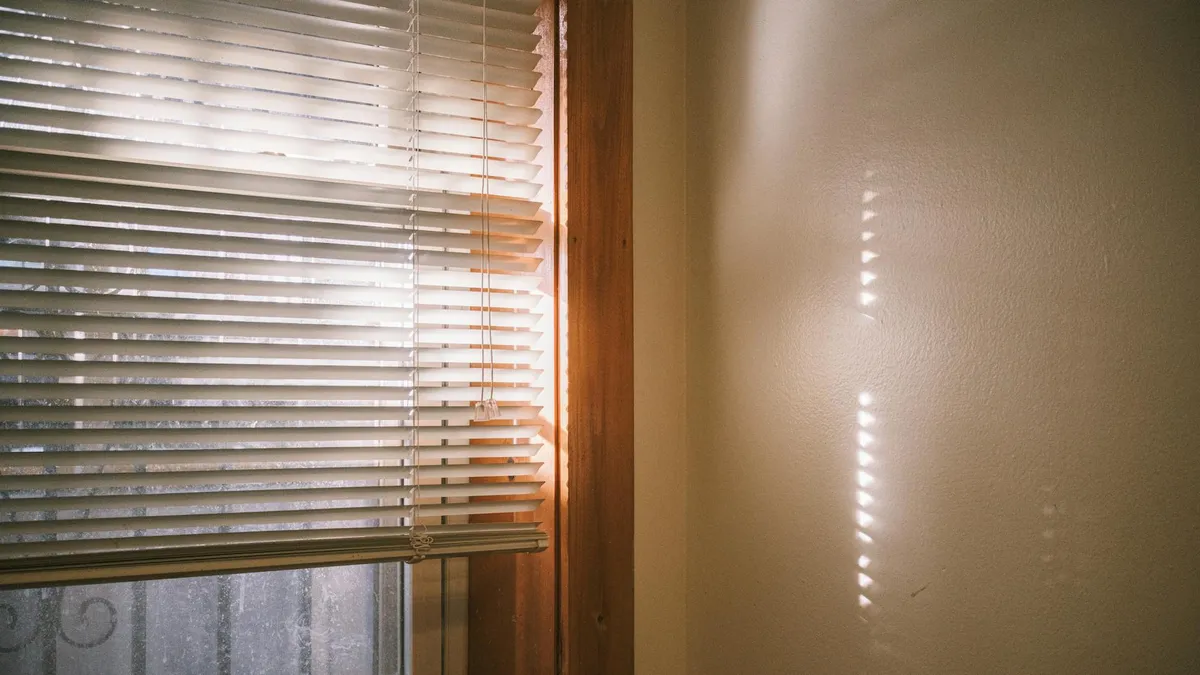
Quality of natural light. Direct light vs. diffused light produces dramatically different effects. Curtains and shades modulate light quality.
Reflected natural light. Light bouncing from interior surfaces extends natural light effect. Light walls and ceilings amplify daylight.
Seasonal variation. Northern hemisphere south-facing rooms get substantially different light in summer vs winter. Designs that account for this work better than designs that don't.
Daily variation. Light changes continuously throughout the day. Designs benefiting from this variation work better than designs assuming static light.
Natural light should be a primary design consideration in spaces being built or substantially renovated.
Artificial light considerations
Artificial lighting design requires equally substantial attention:
Layered lighting. Substantial spaces use multiple lighting layers — ambient (general illumination), task (specific work), accent (highlighting features). Single-source lighting rarely produces good results.
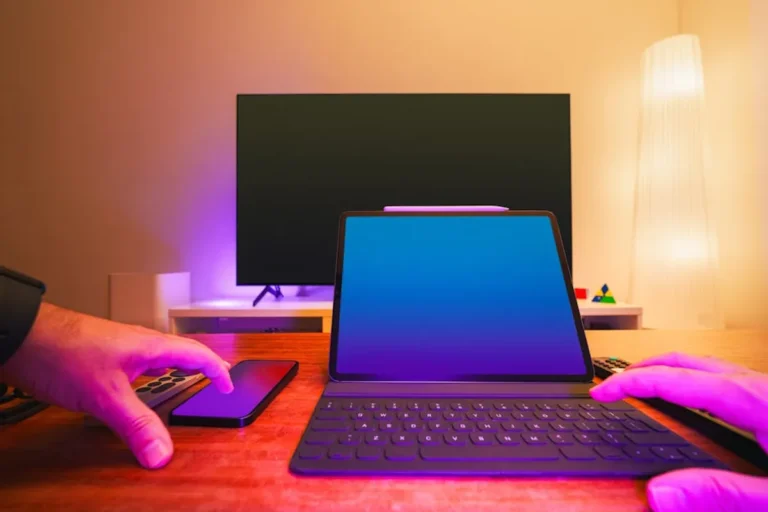
Color temperature. Warm light (2700-3000K) produces inviting atmosphere. Cool light (4000K+) produces alert atmosphere. Most residential spaces benefit from warm light. Many commercial spaces benefit from cooler light.
Color rendering. CRI (Color Rendering Index) measures how accurately a light source represents colors. CRI 90+ is appropriate for most quality lighting. Cheaper LEDs often have lower CRI that makes other materials look poor.
Dimming capability. Adjustable lighting allows spaces to feel different in different contexts. Static brightness limits flexibility.
Source visibility. Visible light sources (table lamps, sconces, pendants) read differently than concealed sources (recessed cans). Both have appropriate uses.
Source quality. Quality lighting fixtures from substantial designers produce better results than budget alternatives. The differences are visible.
Layered, color-considered, dimmable artificial lighting produces dramatically different results than the typical default of overhead lights and table lamps.
Common lighting mistakes
Several common patterns produce poor lighting:
Overhead-only lighting. Single-source overhead lighting produces flat, unattractive light. Most rooms benefit from additional sources.
Inadequate dimming. Spaces without dimming control can't adapt to different contexts. Dimming is foundational to good lighting.
Wrong color temperature. Cool-toned lights in residential settings produce institutional feeling. Warm-toned lights in workspaces produce sleepy feeling.
Low CRI light sources. Cheap LEDs make materials look poor. Quality light sources are worth their cost.
Overly bright illumination. Excessive brightness produces harsh atmosphere. Most spaces benefit from less aggregate light than typical installations provide.
Symmetrical placement. Symmetric lighting placement often produces flat results. Asymmetric placement following actual usage produces better light.
Each mistake is correctable but the corrections require deliberate attention.
Light and material interaction
Light interacts with materials in specific ways:
Reflective surfaces (mirrors, polished stone, gloss paint) bounce light dramatically. Used carefully, they extend light. Used carelessly, they create glare.
Matte surfaces absorb light. They produce subtle, sophisticated atmosphere but require more total illumination.
Textured surfaces interact with directional light to reveal texture. Flat lighting flattens textured surfaces; directional lighting brings them out.
Translucent materials (some stones, certain papers) glow when backlit. The effect is dramatic when used appropriately.
Dark colors absorb more light than they reflect. Spaces with substantial dark surfaces require more total illumination to feel adequately lit.
Material choices and lighting choices affect each other substantially. Considering them together produces better results than considering them separately.
Light at different scales
Lighting design operates at multiple scales:
Single space scale. Light within a specific room. Most lighting attention focuses here.
Multi-space scale. Light transitions between spaces. Bright kitchen connecting to dim living room produces uncomfortable transitions. Considered transitions support better experience.
Whole-house scale. Overall lighting strategy across an entire residence. Includes both daylight handling and artificial lighting coordination.
Day-night scale. How spaces transform between daylight and evening conditions. Substantial spaces feel right in both states.
Seasonal scale. How spaces handle dramatic differences between summer and winter light availability.
Each scale deserves attention. Focusing only on single-space lighting misses important multi-scale considerations.
Specific lighting case studies
Several typical residential lighting scenarios warrant specific consideration:
Living rooms. Should support reading (task lighting), conversation (warm ambient), entertainment viewing (low ambient with controlled glare), and various other activities. Multiple fixtures with dimming.
Kitchens. Should support food preparation (task lighting at work surfaces), eating (warm ambient when applicable), and general activity. Specific task lighting plus appropriate ambient.
Bedrooms. Should support reading (focused task), relaxation (warm ambient), dressing (general illumination), and sleep transition (very low or off). Multiple sources, dimming essential.
Bathrooms. Should support grooming (good color rendering, shadowless face lighting), and atmospheric elements. Multiple sources at different positions, mirror lighting from sides not top.
Workspaces. Should support sustained focused work. Cooler color temperature, higher quantity, controlled glare.
Each scenario has specific lighting requirements. Generic lighting approaches fail to address these specific needs.
Daylight design
For new construction or substantial renovation, daylight design deserves substantial attention:
Window placement. Positioning that captures appropriate daylight for the space's function. North-facing for art studios; varied for general residential.
Window size. Adequate for the space without becoming dominant heat or privacy issue.
Glazing quality. Quality glass affects light quality, thermal performance, and longevity.
Window treatments. Curtains, shades, or shutters that modulate daylight without eliminating it.
Skylights. Useful for specific scenarios but with substantial design implications.
Light wells and atria. Bringing daylight to interior spaces that don't reach exterior walls.
Daylight design pays back across all years of occupation. Inadequate daylight design produces spaces that feel wrong fundamentally.
Lighting investment
Lighting represents a substantial budget category in serious interior projects:
Quality lighting fixtures cost meaningful money — quality table lamps from $200, quality pendants from $400, quality chandeliers and architectural fixtures often substantially more.
Lighting controls (dimmers, switches, smart systems) add cost but enable substantially better results.
Quality light sources (LED bulbs with high CRI, appropriate color temperature) cost more than commodity alternatives but produce visible improvement.
Professional lighting design (when justified) adds expertise that produces better results than DIY approaches.
The investment in lighting often produces more visible improvement per dollar than investment in many other categories.
What good lighting feels like
Spaces with good lighting share specific qualities:
The space feels right at most hours of the day.
Materials and colors look as intended.
The space adapts to different uses through different lighting states.
The lighting supports rather than distracts from activities.
The atmosphere can be adjusted for different contexts (intimate, productive, social, etc.).
Light fixtures themselves are visually pleasing.
The space feels considered.
These qualities are recognizable. They distinguish spaces with attention to light from spaces with default lighting.
What poor lighting feels like
Conversely, poor lighting produces specific experiences:
The space feels wrong at certain hours.
Materials look duller or differently-colored than expected.
Activities feel difficult to do (reading is strained, food preparation is uncomfortable).
The space feels institutional, harsh, or dim regardless of intentions.
Light sources produce glare or visual discomfort.
The space resists adaptation to different uses.
These qualities are also recognizable. Many spaces have poor lighting that occupants tolerate without recognizing the cause.
The practitioner perspective
For interior designers, architects, and serious DIY practitioners:
Lighting deserves the same level of attention as other major design elements.
Lighting decisions should be integrated with material, furniture, and architectural decisions rather than treated separately.
Investment in quality lighting produces visible returns.
Education in lighting design (formal or informal) substantially improves project outcomes.
Specific lighting fixtures from substantial designers represent durable design investments comparable to substantial furniture.
The homeowner perspective
For homeowners working on their own spaces:
Lighting changes can transform spaces dramatically. Specific lighting upgrades often produce more visible improvement than equivalent furniture investment.
Adding dimming to existing fixtures is often the highest-impact lighting upgrade.
Replacing single overhead lights with layered lighting (overhead plus table lamps plus task lighting) produces dramatic improvement.
Quality light bulbs (CRI 90+, appropriate color temperature) make existing fixtures perform better.
Specific quality table and floor lamps can be acquired over time as budget allows.
A closing observation
Light shapes interior experience continuously and fundamentally. The quality of light in a space affects how the space feels at every hour of every day.
For spaces meant to be lived in across decades, lighting deserves substantial attention from initial design through ongoing refinement. Lighting decisions made well produce sustained satisfaction. Lighting decisions made poorly produce sustained discomfort that occupants may not even attribute to lighting.
The investment in good lighting pays back across all years of occupation. The principles are accessible to anyone willing to engage with them. The improvements over default approaches are substantial.
For practitioners, lighting expertise is foundational rather than supplementary. The best interior work consistently demonstrates substantial attention to light.
For homeowners, lighting upgrades often offer better return on investment than other interior changes. The improvements are visible and sustained.
The light enters the space. The spaces respond to it. The work of designing and choosing light continues, in the long quiet rhythm by which substantial interiors come to be.
The day passes. The light moves. The spaces transform. The work goes on, where it goes on, because some practitioners and homeowners find substantial value in the kind of attention that lighting deserves and that produces interiors that work across the time scales of human occupation.